Braj Bhoomi Yatra 5N/6D
Walk in the footsteps of Lord Krishna and Ram — a divine circuit through India's holiest cities
Itinerary & pricing last reviewed by the Junegiri Yatra operations team
About This Tour
The Braj Bhoomi Yatra 5N/6D is a soulful spiritual journey that takes you through the heartland of devotion in North India. This carefully crafted pilgrimage circuit covers five of the most revered destinations in the country — Mathura, Vrindavan, Agra, Ayodhya, and Varanasi — weaving together the divine stories of Lord Krishna, Lord Ram, and the timeless Ganga.
Your journey begins in Mathura, the birthplace of Lord Krishna, where the air itself feels charged with devotion. The narrow lanes of this ancient city lead you to sacred ghats, ancient temples, and shrines that have witnessed millennia of faith. In Vrindavan, the playground of young Krishna, you will visit the iconic ISKCON Temple with its soaring architecture and vibrant kirtans, the centuries-old Banke Bihari Temple where Lord Krishna is said to appear in full splendour, and the breathtaking Prem Mandir — a marble marvel illuminated at night that stands as a testament to divine love.
A visit to Agra brings a moment of awe as you stand before the Taj Mahal, one of the Seven Wonders of the World — a monument to eternal love that no photograph can truly capture. The grandeur of the Agra Fort provides a deeper glimpse into Mughal history and the region's layered past.
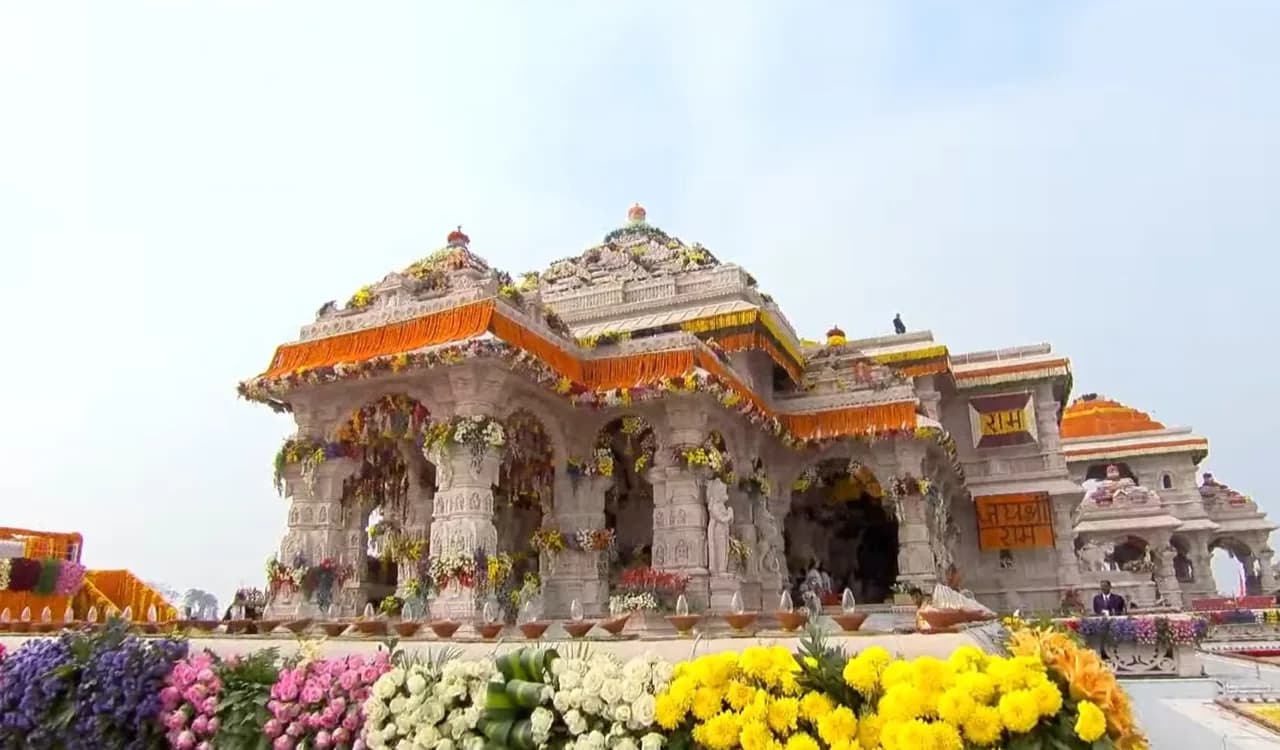
The journey then turns northward to Ayodhya, the birthplace of Lord Ram, recently transformed by the consecration of the magnificent Ram Mandir at the Ram Janmabhoomi site. A visit to Hanuman Garhi, the fortress-temple dedicated to Lord Hanuman, and the sacred ghats of the Sarayu river complete this deeply moving stop.
The final destination is Varanasi, the spiritual capital of India and one of the world's oldest living cities. Here, the mighty Ganga flows eternally, and the evening Ganga Aarti at Dashashwamedh Ghat — with hundreds of priests lifting lamps to the sky in perfect synchrony — is an experience that transcends words. The Kashi Vishwanath Temple, one of the twelve Jyotirlingas, is the crowning visit of this sacred circuit.
Throughout the tour, Junegiri Yatra ensures comfortable accommodation, home-style meals, and the expertise of a knowledgeable local guide who brings each destination alive with stories and context. Whether you are a devout pilgrim or a curious traveller, the Braj Bhoomi Yatra 5N/6D is a journey that will remain etched in your heart long after you return home.
Day-by-Day Itinerary
What's Included
✓ Included
✗ Not Included
Photo Gallery
What Travelers Say
Complete Travel Guide: Braj Bhoomi Pilgrimage Circuit
The Braj Bhoomi region of Uttar Pradesh is one of the most spiritually charged landscapes on the Indian subcontinent. Stretching from Mathura and Vrindavan along the Yamuna to Agra in the south, and connected to the sacred cities of Ayodhya and Varanasi to the east, this pilgrimage circuit has drawn devotees, mystics, and travellers for thousands of years.
Mathura: The Birthplace of Lord Krishna
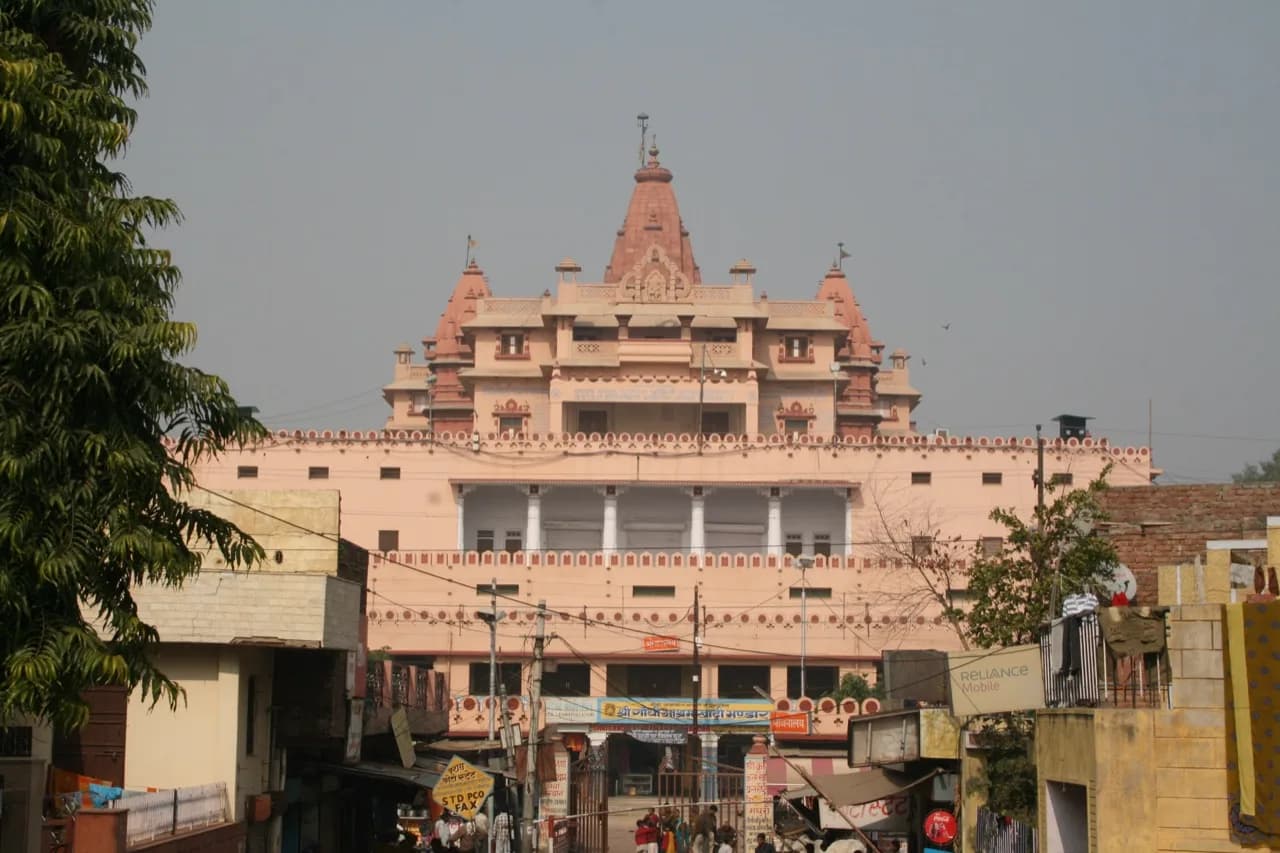
Mathura is considered one of the seven sacred cities (Sapta Puri) of Hinduism. The city's spiritual centre is the Krishna Janmabhoomi complex — a sprawling site that marks the exact spot where Lord Krishna was born in a prison cell approximately 5,000 years ago. The adjacent Keshav Dev Temple and the mosque built by Aurangzeb over a portion of the original structure together tell a layered story of India's religious history. Pilgrims come in the hundreds of thousands during Janmashtami (Krishna's birthday), when the city transforms into a sea of devotion, dance, and colour.
Vrindavan: The Forest of Divine Play
Just 15 km from Mathura, Vrindavan is where young Krishna spent his childhood, playing with the gopis (cowherd girls) and performing his divine pastimes. The town has over 5,000 temples within a small area. The Banke Bihari Temple dates to the 16th century and is famous for the curtain that is periodically drawn to prevent devotees from being overwhelmed by the deity's gaze. Prem Mandir, built by Jagadguru Kripalu Ji Maharaj and completed in 2012, is one of the most architecturally stunning temples in North India — 54 acres of white Italian marble with intricate carvings and elaborate night illuminations. ISKCON Vrindavan, established by A.C. Bhaktivedanta Swami Prabhupada, welcomes visitors of all backgrounds and offers an accessible entry into Vaishnava philosophy.
Agra: The City of the Taj
While not a pilgrimage site in the traditional sense, Agra's Taj Mahal is a monument to love that resonates with every human soul. Built between 1632 and 1653 by Mughal Emperor Shah Jahan as a mausoleum for his beloved wife Mumtaz Mahal, the Taj Mahal is a UNESCO World Heritage Site and one of the finest examples of Mughal architecture. The changing light at sunrise and sunset gives the white marble a different hue at every hour — pink at dawn, bright white at noon, and golden at dusk. The Agra Fort, also a UNESCO site, was the main residence of the Mughal emperors until 1638.
Ayodhya: The City of Lord Ram
Ayodhya is the birthplace of Lord Ram and one of the holiest cities in Hinduism. The city recently witnessed a historic moment with the consecration of the Ram Mandir at the Ram Janmabhoomi site in January 2024 — a temple that has been under construction for decades and holds immense significance for hundreds of millions of devotees worldwide. The city of Ayodhya is also home to over 100 ancient temples, including Hanuman Garhi (a 10th-century fortress temple), Kanak Bhawan (where Lord Ram and Sita are enshrined in gold-embellished forms), and Nageshwarnath Temple. The Sarayu river, on whose banks Ayodhya stands, is sacred in its own right.
Varanasi: The Eternal City
Varanasi — also known as Kashi or Banaras — is one of the world's oldest continuously inhabited cities, with a history spanning over 3,000 years. Situated on the western bank of the Ganges, the city has 84 ghats (steps leading to the river), each with its own ritual significance. The Ganga Aarti at Dashashwamedh Ghat is performed every evening at sunset with precision and grandeur — dozens of priests in silk robes holding massive brass lamps, creating an orchestra of fire, bells, and Sanskrit chants that is unlike anything else in the world. Kashi Vishwanath Temple, one of the twelve Jyotirlingas of Lord Shiva, has been rebuilt multiple times throughout history and now stands as a magnificent complex opened in 2021. Sarnath, just 10 km from Varanasi, is where the Buddha gave his first sermon after attaining enlightenment — making Varanasi a city sacred to Hinduism and Buddhism alike.
Practical Tips for the Braj Bhoomi Yatra
Carry comfortable walking footwear — you will need to remove shoes frequently at temples. Modest clothing (shoulders and knees covered) is required at all religious sites. Carry a small day bag for water, sunscreen, and prasad. Early morning starts are recommended to beat the heat and the crowds at popular temples. Keep small denomination cash for donations and offerings. Photography rules vary by temple — always confirm before clicking.
Frequently Asked Questions
Ready to Book?
WhatsApp us for instant confirmation, custom dates, and group pricing.
Who plans this trip
This itinerary is planned and operated by Junegiri Yatra— a Haridwar-based pilgrimage & Himalayan trek operator running Himalayan circuits since 2017, run by Vignesh Waram, Yash Negi and Sumit Nautiyal, licensed by Uttarakhand Tourism (ATOI-approved). Our team runs the Char Dham, Valley of Flowers, Kedarnath and Himalayan trek circuits end-to-end, so every route, cost and timing detail on this page comes from first-hand operating experience. More about the team →