Why Kedarkantha is Perfect for First-Time Himalayan Trekkers
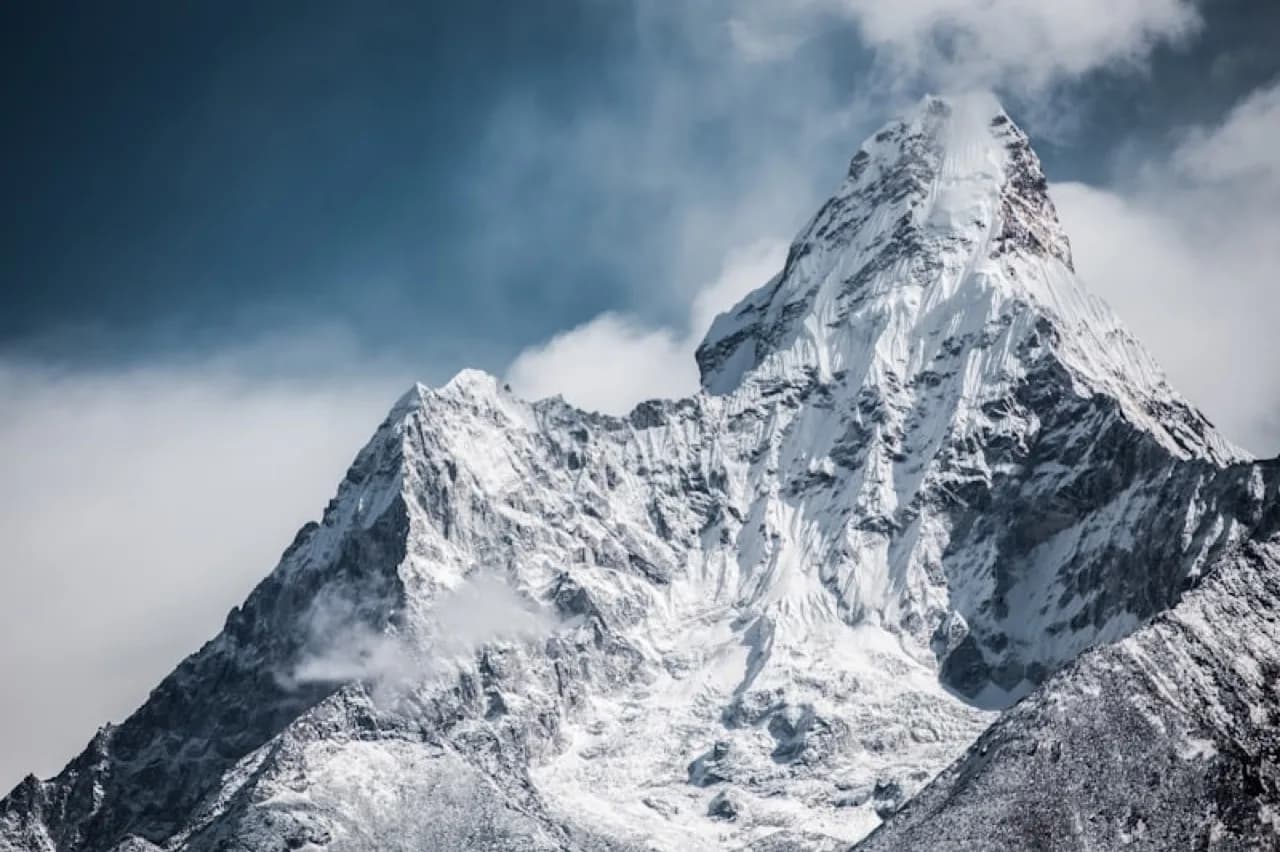
Kedarkantha (3,800 m) in the Govind Pashu Vihar National Park, Uttarakhand is consistently ranked among India's top five beginner treks. It offers everything a first-timer could want: a clear trail through oak and pine forests, high-altitude camping in meadows, a proper summit climb, and views of peaks like Swargarohini, Bandarpoonch, and Black Peak — all without requiring technical mountaineering skills.
The trek is typically done in 4–6 days from Sankri village and covers approximately 20 km. Maximum altitude gain per day is manageable, making altitude sickness uncommon on this route.
Fitness Requirements
You do not need to be an athlete, but baseline fitness matters. Two months before the trek:
- Walk 5 km daily, gradually adding incline (stairs, treadmill on 8–10% gradient)
- Build cardiovascular endurance with 30–45 minutes of moderate cardio 4 days a week
- Strengthen your knees: squats, lunges, step-ups are critical for descent
- Practice wearing your trekking pack loaded to 10 kg
If you can climb 10 floors of stairs without stopping and feel comfortable, you are ready for Kedarkantha.
Best Season to Trek Kedarkantha
- December–March (Winter Trek) — Snow-covered trail, white landscapes, stunning photography. Temperature: -10°C to -15°C at night. Requires proper winter gear. Most popular for the snow experience.
- April–May (Spring) — Rhododendrons in bloom, comfortable daytime temperatures. Snow at higher camps.
- September–November (Autumn) — Clear skies, great peak views, moderate temperatures. Best for clear summit panoramas.
Trek Itinerary — Day by Day
Day 1: Drive Dehradun to Sankri (200 km, 7–8 hours)
Sankri (1,920 m) is the base camp village. Arrive and acclimatise. Brief trail briefing from your guide. Stay at lodge.
Day 2: Sankri to Juda Ka Talab (3,100 m, 6 km, 5 hours)
Trail winds through dense oak and rhododendron forest. Juda Ka Talab is a frozen lake in winter — first dramatic camp of the trek.
Day 3: Juda Ka Talab to Kedarkantha Base (3,500 m, 4 km, 4 hours)
Open meadows, trail above the treeline. Views of the Kedarkantha summit ahead. Rest afternoon for acclimatisation.
Day 4: Summit Day — Base to Kedarkantha Peak (3,800 m) and back to Hargaon Camp
Wake up at 2 AM. Summit push takes 3–4 hours. 360° panoramic view from the top: Swargarohini I, II, III, Bandarpoonch, Kala Nag, and on a clear day, Gangotri peaks. Descend to Hargaon camp via a different trail.
Day 5: Hargaon to Sankri (3 km, 3 hours)
Gentle descent through forest. Drive back to Dehradun.
Packing List for Kedarkantha
- Down jacket (800+ fill power for winter treks)
- Thermal base layers — top and bottom
- Waterproof trekking jacket
- Trekking boots with ankle support (broken in)
- Gaiters — essential in snow season
- Woollen gloves and liner gloves
- Balaclava and warm beanie
- UV sunglasses and sunscreen SPF 50+
- Trekking poles
- Headlamp with spare batteries
- 35–40 litre backpack
- Water bottles (insulated for winter)
- High-calorie trail snacks
Permits and Costs
A forest permit is required for Govind Pashu Vihar National Park (₹150–200 per person). Your trek operator typically arranges this. All-inclusive guided Kedarkantha treks cost ₹8,000–14,000 per person depending on group size and operator.
Looking to combine Kedarkantha with a spiritual yatra? Check out our Char Dham 9N/10D package which can be extended with a Kedarkantha add-on through Uttarkashi.
For solo trekking tips specific to Uttarakhand, read our complete Solo Trekking in Uttarakhand guide.