Varanasi & Prayagraj Spiritual Tour 3N/4D — Ghats, Temples & Sacred Rivers
Where the Ganga has flowed for thousands of years, and pilgrims still come to find what they are looking for
Itinerary & pricing last reviewed by the Junegiri Yatra operations team
About This Tour
Varanasi is one of the oldest continuously inhabited cities in the world. Estimates of its age range from 3,000 to 5,000 years depending on the methodology — what is certain is that it has been a centre of Hindu learning and pilgrimage for longer than most civilisations have existed. This tour gives you the full experience of the city across two full days, plus a day trip to Prayagraj and its own very different sacred geography.
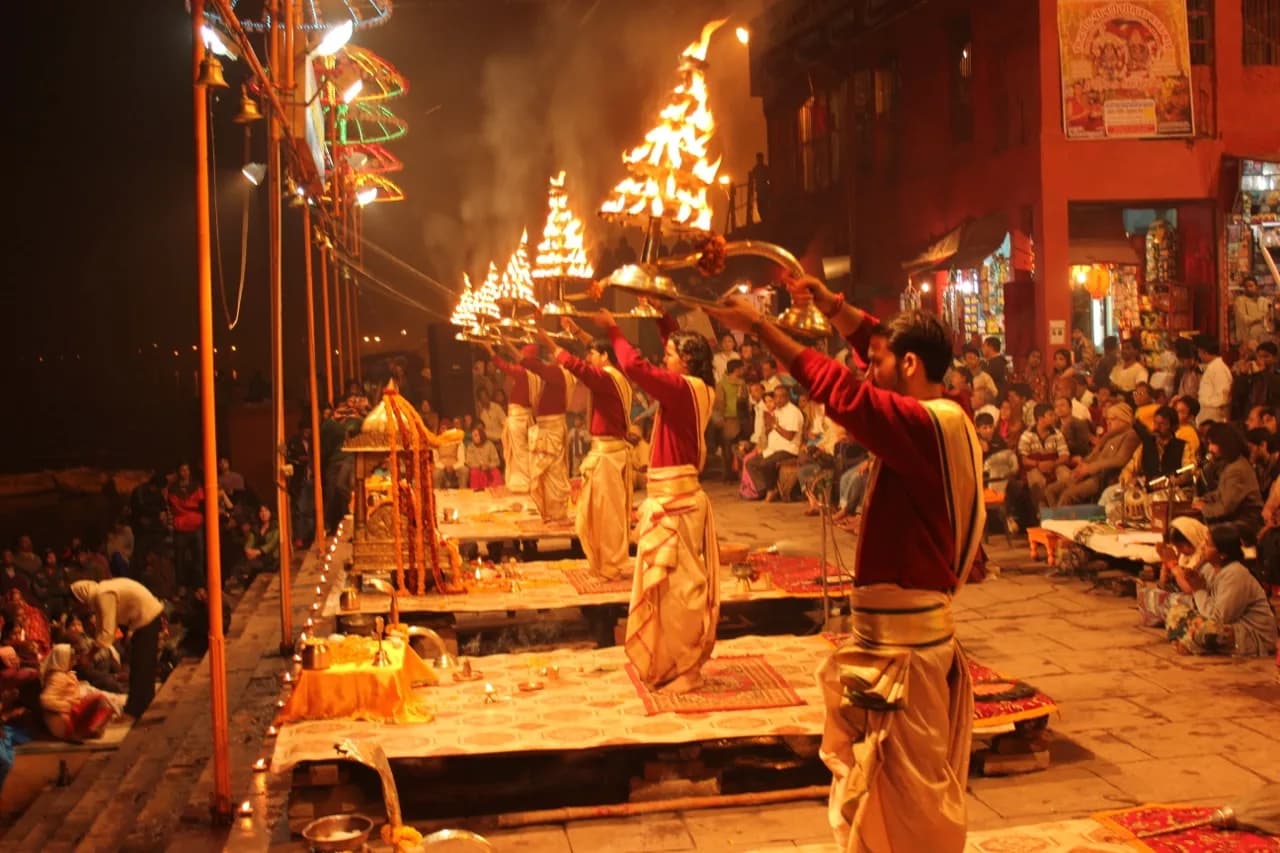
The structure of Varanasi is built around the Ganga and its ghats. There are 84 ghats along the riverfront — stone steps leading to the water, each with its own history, deity, and social function. The Dashashwamedh Ghat is the most famous because it is where the evening Ganga Aarti ceremony takes place, a nightly fire ritual performed by priests in synchronised movements that draws thousands of observers from the riverside and boats on the water. Arriving by boat gives you the best view.
The morning boat ride on the Ganga is a different experience — the light at sunrise, the sound of bells from the ghats, the sight of pilgrims bathing in the cold water while boatmen row in silence — is one of those things that is difficult to describe without sounding hyperbolic, so we will just say that it has stayed with travellers for decades.
The Kashi Vishwanath Temple, dedicated to Shiva, is one of the twelve Jyotirlingas — the most sacred Shiva shrines in India. The new Kashi Vishwanath Corridor (built 2021) has transformed access to the temple complex, opening views of the Ganga from within the temple precinct and making the experience considerably more organised than before. Sarnath, 5 km from Varanasi, is where the Buddha gave his first sermon after attaining enlightenment — the site has an active monastery, an excellent museum, and the 5th-century Dhamek Stupa. Prayagraj's Triveni Sangam, the confluence of the Ganga, Yamuna, and the invisible Saraswati, is among the most sacred points in Hinduism and a bath here is considered especially meritorious.
Day-by-Day Itinerary
What's Included
✓ Included
✗ Not Included
Photo Gallery

What Travelers Say
Varanasi: Understanding the City Before You Arrive
Varanasi operates on a logic that is entirely its own. Time here does not feel like it does elsewhere in India. The city is physically old — much of it was built in the 18th and 19th centuries over foundations that predate written Indian history — and the density of the old quarters along the Ganga makes it feel more like a living museum than a functioning city. It is also loud, crowded, and occasionally overwhelming. The best approach is to arrive with no rigid schedule on your first day and simply walk.
The 84 Ghats of Varanasi
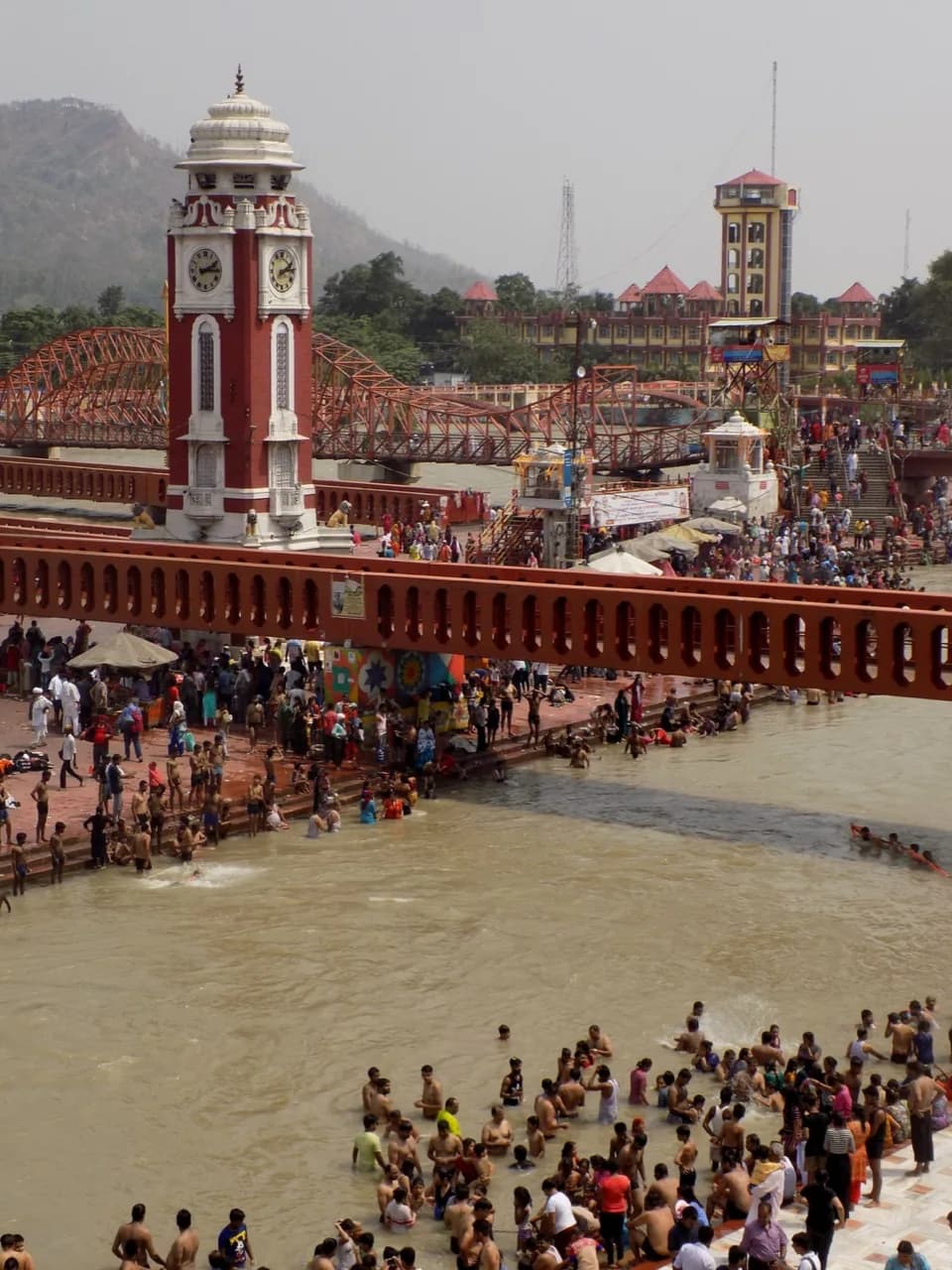
The ghats are the defining feature of Varanasi. They stretch 6.5 km along the western bank of the Ganga, from Assi Ghat in the south to Raj Ghat in the north. Each ghat has a different character and history. Assi Ghat, at the southern end, is where the Assi river joins the Ganga — it is quieter and popular with students from the nearby Banaras Hindu University. Dashashwamedh Ghat is the most active, with the nightly Ganga Aarti ceremony drawing large crowds. Harishchandra Ghat and Manikarnika Ghat are the two active cremation ghats. Scindia Ghat is notable for a temple that has partially sunk into the riverbank. The most complete way to experience all 84 is by boat — the full run takes about 90 minutes rowing at a gentle pace.
The Ganga Aarti Ceremony
The evening Ganga Aarti at Dashashwamedh Ghat is performed every single day without exception, rain or clear skies. Seven priests stand on raised platforms, each performing the same ritual movements with large oil lamps, incense, conch shells, and flower offerings. The ceremony is directed toward the river as a deity. It typically lasts 45–60 minutes. Viewing from a boat on the river is the best position — you are looking toward the shore rather than craning from a crowded ghat. During major festivals like Dev Deepawali (Kartik Purnima, typically November), thousands of oil lamps are floated on the river and the ghats are lit spectacularly.
Kashi Vishwanath Temple and the New Corridor
The Kashi Vishwanath Temple is one of the twelve Jyotirlingas — the most sacred Shiva shrines in the Hindu tradition. The current structure was rebuilt in 1780 by Ahilyabai Holkar of Indore after the original was demolished by Aurangzeb in 1669. The new Kashi Vishwanath Corridor, inaugurated in 2021, has transformed the approach to the temple — it has cleared the dense urban fabric between the temple and the Ganga, creating an open pedestrian promenade with views of the river from within the temple precinct. The corridor also houses galleries explaining the temple's history and the significance of Kashi in Hindu cosmology.
Sarnath: Buddhism's Most Important Site in India
Sarnath is 5 km from Varanasi city centre and is accessible by auto-rickshaw or private vehicle in 20–30 minutes. The site marks the location of the Deer Park (Mrigadava) where the Buddha first taught. After attaining enlightenment at Bodh Gaya, he walked approximately 250 km north to find his five former ascetic companions here. The first discourse established the framework of Buddhist teaching: the Four Noble Truths and the Eightfold Path. The Dhamek Stupa at the site dates in its current form to the Gupta period (5th–6th century CE) and is 28 metres in diameter and 43.6 metres tall. The Sarnath Museum, run by the Archaeological Survey of India, contains the original Lion Capital from Ashoka's pillar — the same image that became India's state emblem in 1950.
Prayagraj and the Triveni Sangam
Prayagraj (formerly Allahabad) sits at the confluence of the Ganga and Yamuna rivers, with the mythological Saraswati river said to join underground at the same point. This confluence — the Triveni Sangam — is considered the most sacred bathing site in Hinduism. The Maha Kumbh Mela, held every 12 years at this spot, draws the largest human gathering on earth. The visual distinctiveness of the Sangam is real and visible: the Yamuna runs blue-grey while the Ganga runs greenish-brown, and from a boat you can see the line where they meet. The Allahabad Fort nearby was built by Akbar in 1583 and contains the Ashoka Pillar (3rd century BCE) within its grounds. Anand Bhavan, the Nehru-Gandhi family's ancestral home and now a national museum, is the third main site in Prayagraj and gives a comprehensive picture of the independence movement's leadership.
From Haridwar: Planning Your Varanasi Trip
From Haridwar, Varanasi is approximately 700 km by road (12–13 hours) or reachable by train via Lucknow or Allahabad in 10–12 hours depending on the service. Flying from Dehradun to Varanasi via Delhi (with connection) is faster for those short on time. This spiritual tour can be combined with a Braj Bhoomi Yatra — Vrindavan and Mathura lie roughly on the corridor between Delhi and Varanasi. For travellers starting from Haridwar or completing a Char Dham pilgrimage, Varanasi makes a natural concluding leg — the Ganga that originates in Gangotri reaches its most celebrated urban form here.
Frequently Asked Questions
Ready to Book?
WhatsApp us for instant confirmation, custom dates, and group pricing.
Who plans this trip
This itinerary is planned and operated by Junegiri Yatra— a Haridwar-based pilgrimage & Himalayan trek operator running Himalayan circuits since 2017, run by Vignesh Waram, Yash Negi and Sumit Nautiyal, licensed by Uttarakhand Tourism (ATOI-approved). Our team runs the Char Dham, Valley of Flowers, Kedarnath and Himalayan trek circuits end-to-end, so every route, cost and timing detail on this page comes from first-hand operating experience. More about the team →