Valley of Flowers Trek 5N/6D
Walk through a UNESCO World Heritage carpet of 500 wildflower species in full monsoon bloom
Itinerary & pricing last reviewed by the Junegiri Yatra operations team
About This Tour
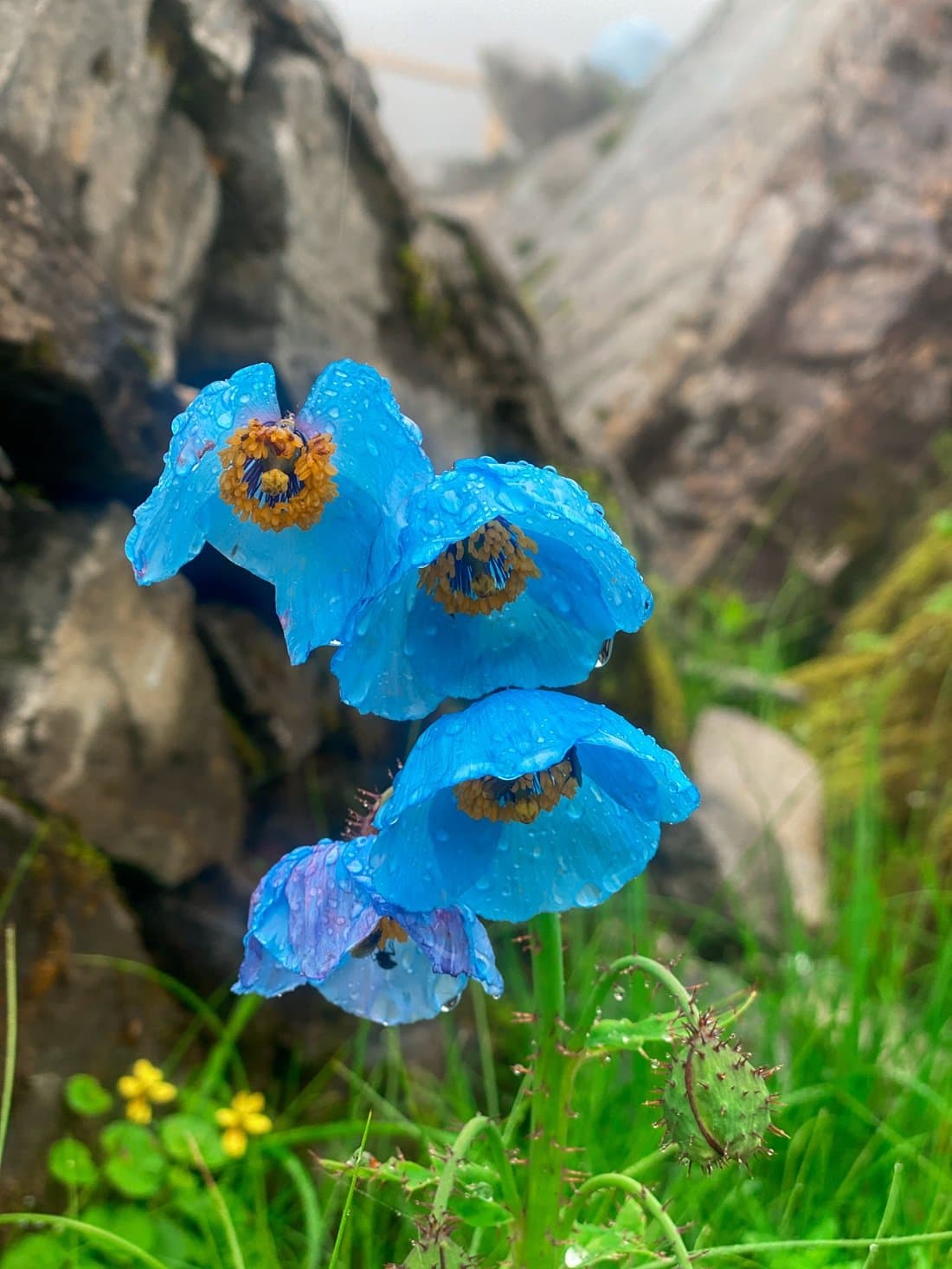
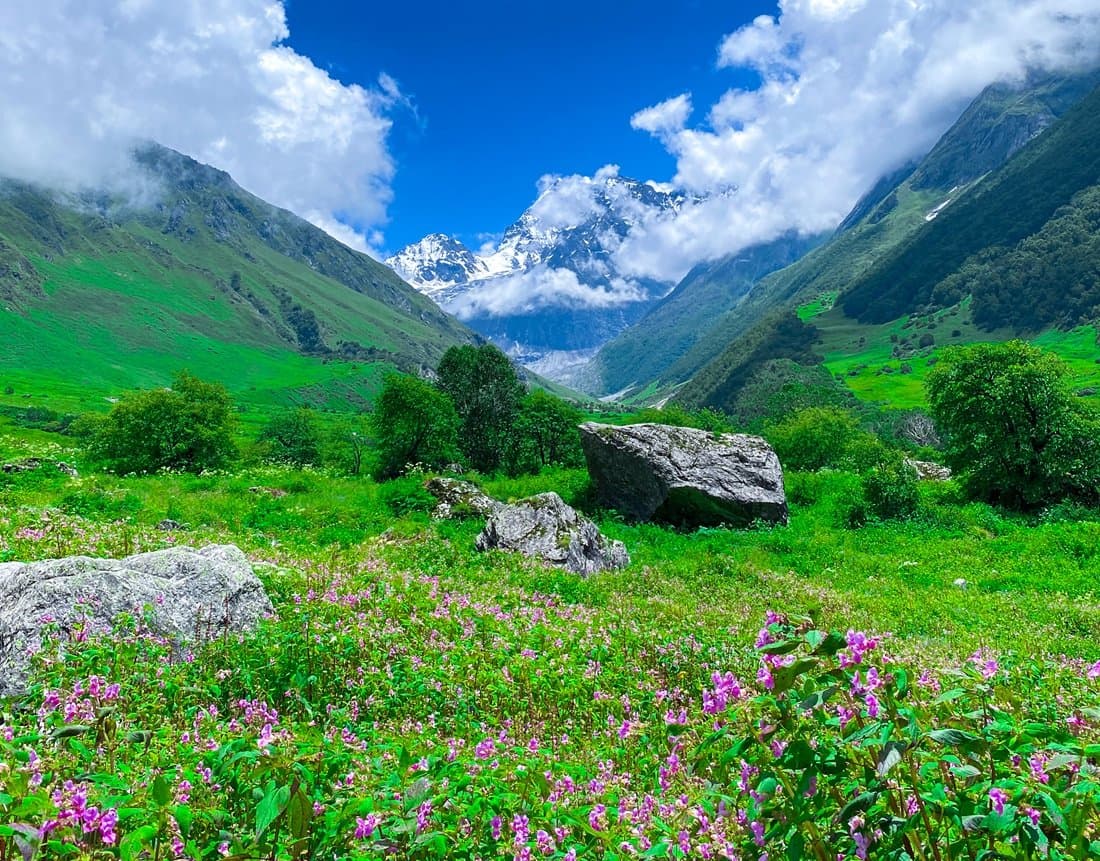
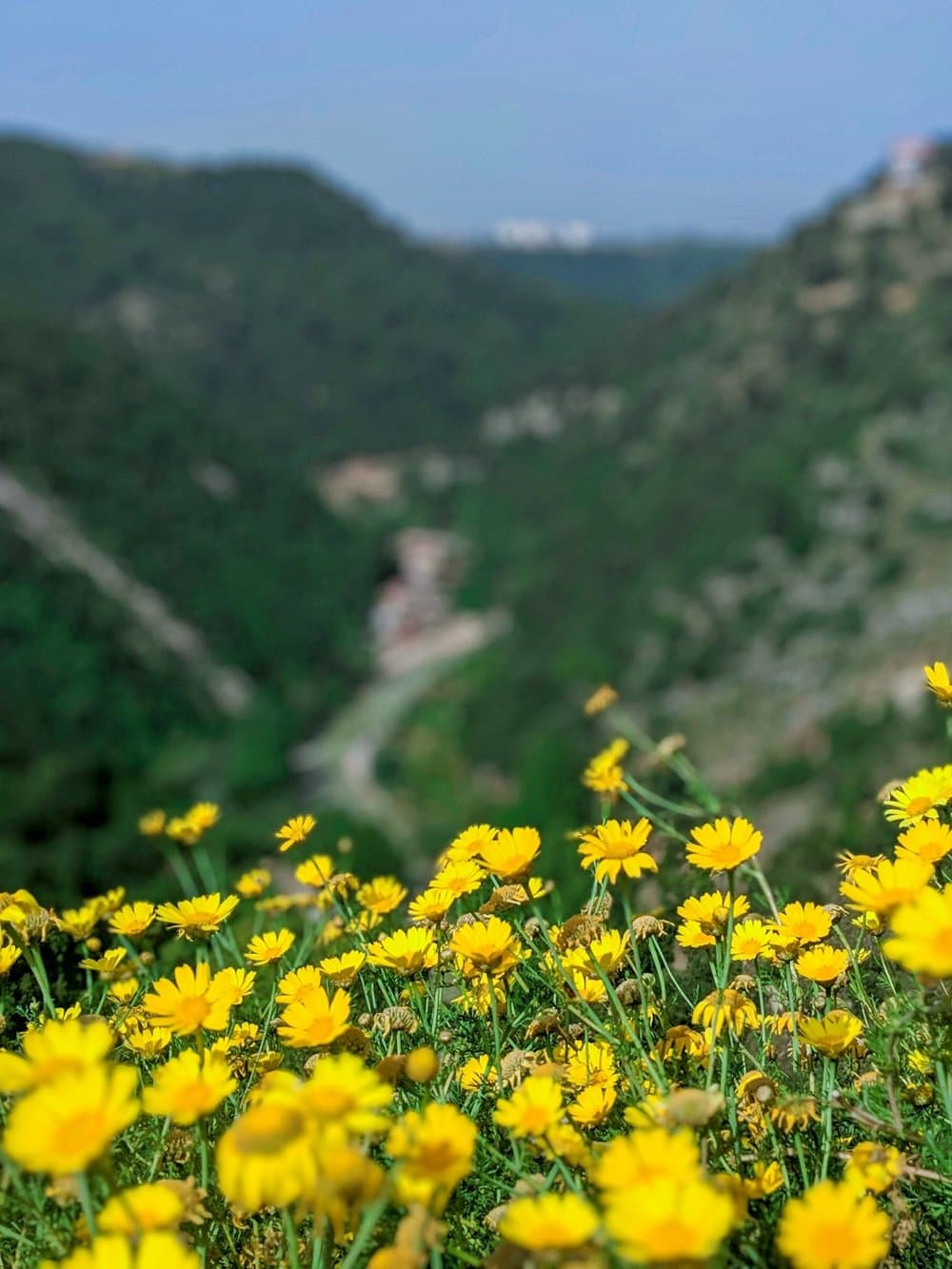
The Valley of Flowers Trek is one of India's most enchanting Himalayan journeys — a UNESCO World Heritage Site that bursts into a riotous blaze of colour each monsoon season between July and September. Nestled in the Chamoli district of Uttarakhand at an altitude of 3,658 metres, the valley stretches for nearly 8 kilometres, carpeted with over 500 species of wildflowers including blue poppy, Brahma kamal, cobra lily, and countless varieties of primulas, daisies, and orchids that have attracted botanists and nature lovers for over a century.
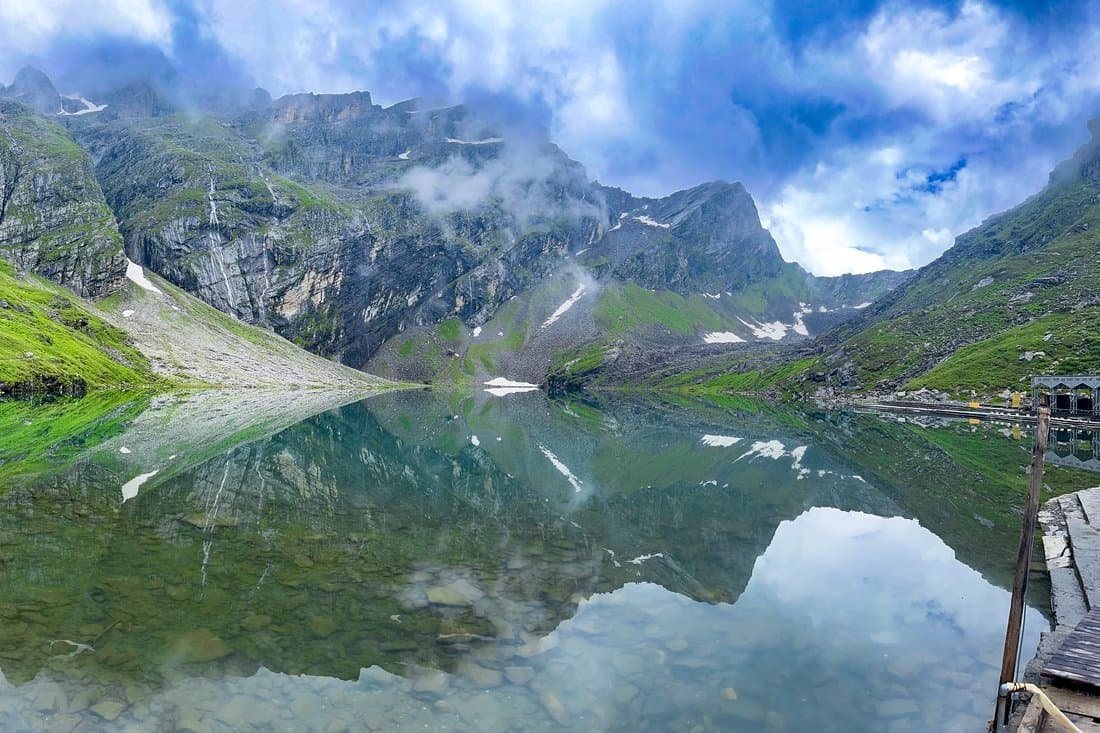
Junegiri Yatra's 4-night, 5-day package departs from Haridwar and follows the classic route: a scenic drive through the Alaknanda valley to Govindghat, followed by a steady trek up the Bhyundar Ganga valley to the village-hub of Ghangaria at 3,050 metres. From Ghangaria, two iconic day excursions await: the valley itself, where you wander through a meadow so densely flowered it barely looks real, and Hemkund Sahib, the highest Sikh Gurudwara in the world, perched at a serene glacial lake at 4,329 metres.
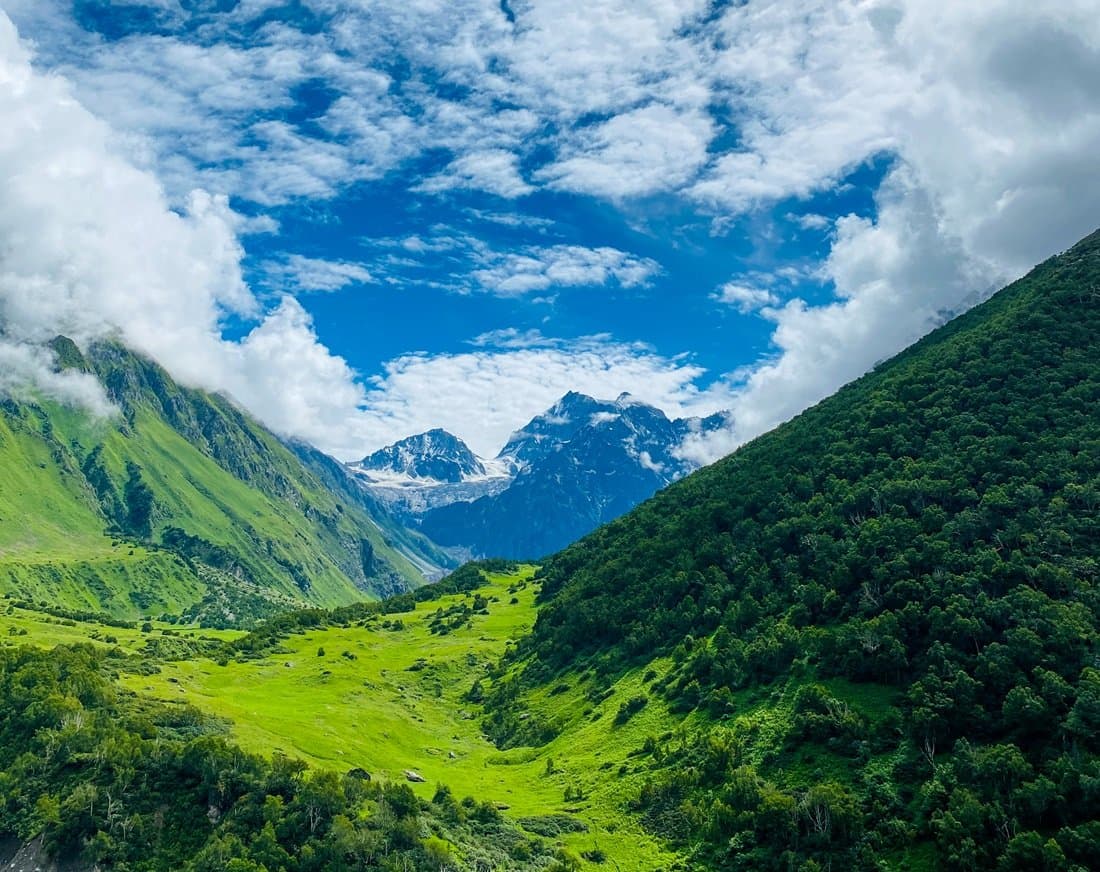
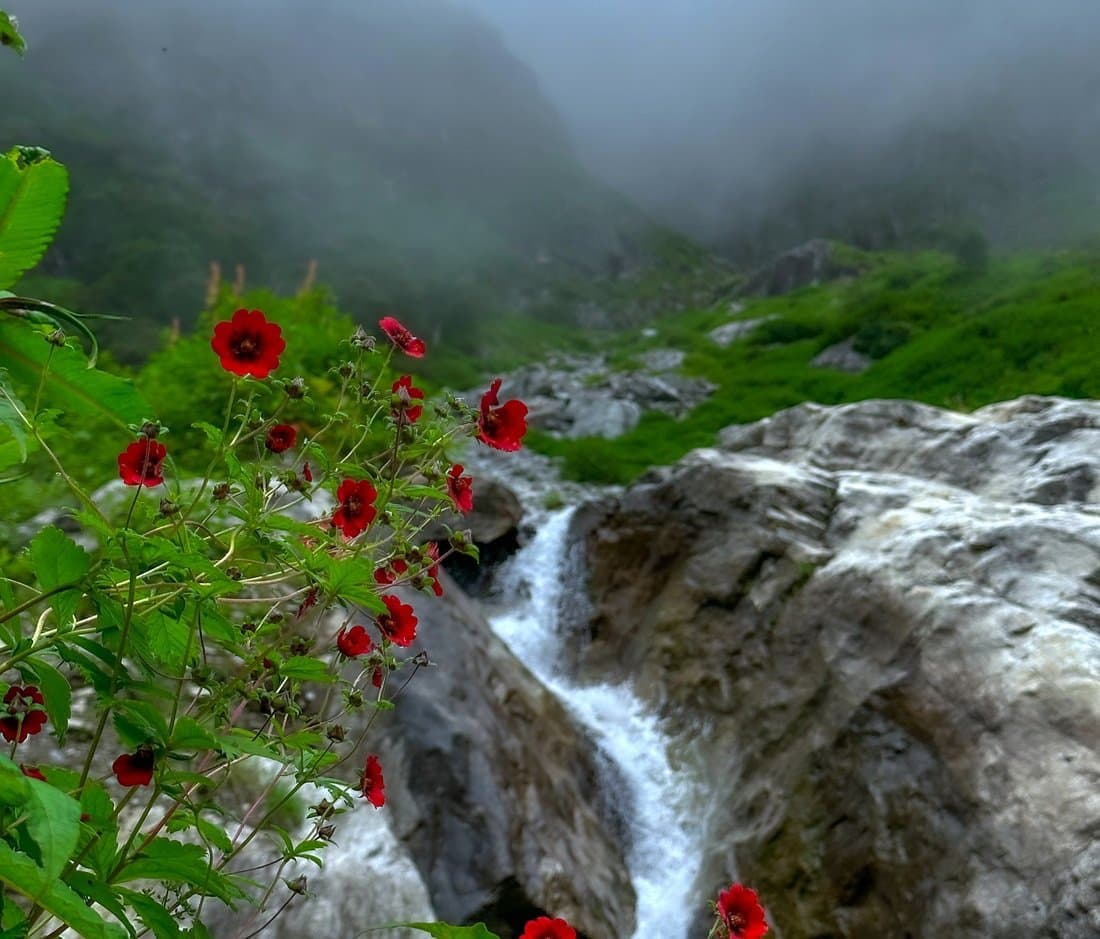
The Pushpawati River runs through the heart of the valley, its clear glacial waters rushing past boulders draped in moss and wildflower, with the Bhyundar glacier visible at the valley's upper end. The surrounding peaks — Rataban, Gauri Parbat, and Nilgiri Parbat — provide a dramatic snow-capped backdrop to the floral spectacle below. Wildlife is also part of the experience here: snow leopard, Himalayan brown bear, blue sheep (bharal), and a remarkable diversity of Himalayan bird species all make their home in this protected national park.
This trek is graded Moderate. The path from Govindghat to Ghangaria (14 km one way) involves a steady climb but is well-maintained with stone steps and regular rest points. Mule and porter services are available for those who need them, and Ghangaria has a good range of basic accommodation options including dedicated rooms for our group. All meals are included throughout the trek, and our experienced guide doubles as a nature interpreter, sharing knowledge about the valley's botanical history and ecology.
Pair this trek with our Kedarkantha Trek for a winter adventure in the same region, or combine it with the Har Ki Dun Trek to experience the less-visited eastern valleys of Uttarakhand. Devout travellers may also wish to extend with our Char Dham Yatra, which passes through nearby Badrinath — just 25 kilometres from Govindghat — and covers all four of Uttarakhand's holiest pilgrimage shrines.
The Valley of Flowers opens to visitors in mid-June and closes in early October. The peak bloom season is July to mid-August, when rainfall is highest and the valley is at its most spectacularly colourful. Late August and September offer drier conditions and slightly fewer flowers but better mountain views. Book well in advance as Ghangaria accommodation fills up quickly during the peak months, and trekker numbers into the national park are regulated by daily permit limits.
Day-by-Day Itinerary
What's Included
✓ Included
✗ Not Included
Photo Gallery
What Travelers Say
Complete Travel Guide to the Valley of Flowers Trek — Planning, Flora, and Practical Tips
The Valley of Flowers National Park was declared a UNESCO World Heritage Site in 1982 and forms part of the larger Nanda Devi Biosphere Reserve — one of the most protected and ecologically significant landscapes in the Indian Himalaya. Located in the Chamoli district of Uttarakhand at the head of the Bhyundar Ganga valley, it was first brought to international attention by British mountaineer Frank Smythe in 1931, who wrote about it in his book Valley of Flowers and sparked worldwide botanical interest in the region.
Getting to the Valley of Flowers Trek Starting Point
Haridwar is the primary starting point for most trekkers, with excellent rail connectivity to Delhi, Mumbai, and other major cities. From Haridwar, the road journey to Govindghat (the trek's trailhead) covers approximately 280 kilometres via Rishikesh, Devprayag, Rudraprayag, Karnaprayag, Chamoli, and Joshimath. The drive takes 10–11 hours and is one of the most scenic mountain road journeys in India, following the sacred Alaknanda river and passing through several key pilgrimage towns. Junegiri Yatra provides this road transport as part of the package, handling all navigation and logistics so you can focus on the scenery.
Altitude Profile and Acclimatisation
The altitude progression on this trek is: Haridwar (314 m) → Govindghat (1,828 m) → Ghangaria (3,050 m) → Valley of Flowers (3,658 m) → Hemkund Sahib (4,329 m). The night spent in Ghangaria before visiting both the valley and Hemkund Sahib provides important acclimatisation time. Mild symptoms of altitude sickness — headache, reduced appetite, disturbed sleep — can occur at Ghangaria level. The Hemkund Sahib excursion at 4,329 metres is the most altitude-sensitive section. Stay well hydrated, ascend slowly, and report any symptoms to your guide immediately.
The Ecology of the Valley of Flowers
The valley's extraordinary biodiversity is a product of its unique geography: a glacially-carved valley oriented north-south that channels both monsoon moisture from the south and cold Himalayan air from the north, creating a microclimate that supports an unusual mix of alpine, sub-alpine, and temperate plant communities. The valley floor is crossed by the Pushpawati River and is largely free of human habitation, allowing wildlife to move freely. The national park protects habitats for the snow leopard, Himalayan brown bear, musk deer, bharal (blue sheep), and golden eagle. Strict regulations govern visitor behaviour within the park: no camping, no fire, no picking of flowers, and no straying off designated paths.
Hemkund Sahib — A Pilgrimage at the Top of the World
For Sikh pilgrims, Hemkund Sahib is one of the most sacred destinations in the faith — a Gurudwara situated at 4,329 metres beside a star-shaped glacial lake referenced in the Dasam Granth scripture. During the summer pilgrimage season (typically June to October), thousands of devotees make the steep 6-kilometre climb from Ghangaria each day. The Gurudwara administration maintains an impeccably clean sanctuary, serves free langar to all visitors regardless of faith, and employs local staff from surrounding villages. Trekkers visiting on the Junegiri Yatra package are invited to experience the Gurudwara as guests, participating in the community meal and taking in the remarkable high-altitude setting of the lake and surrounding glaciated peaks.
Responsible Trekking in the Valley of Flowers
The Valley of Flowers receives a regulated number of visitors per day during the open season, with entry managed through the national park permit system. Junegiri Yatra secures these permits in advance for all guests. Trekkers are expected to stay on marked trails, carry out all non-biodegradable waste, avoid disturbing wildlife, and refrain from picking any plant material. Our guides are trained as ecological interpreters and play an active role in educating guests about Leave No Trace principles. By choosing a responsible local operator, you help ensure that this extraordinary natural heritage site remains pristine for future generations.
Frequently Asked Questions
Ready to Book?
WhatsApp us for instant confirmation, custom dates, and group pricing.
Who plans this trip
This itinerary is planned and operated by Junegiri Yatra— a Haridwar-based pilgrimage & Himalayan trek operator running Himalayan circuits since 2017, run by Vignesh Waram, Yash Negi and Sumit Nautiyal, licensed by Uttarakhand Tourism (ATOI-approved). Our team runs the Char Dham, Valley of Flowers, Kedarnath and Himalayan trek circuits end-to-end, so every route, cost and timing detail on this page comes from first-hand operating experience. More about the team →