What is the Do Dham Yatra?
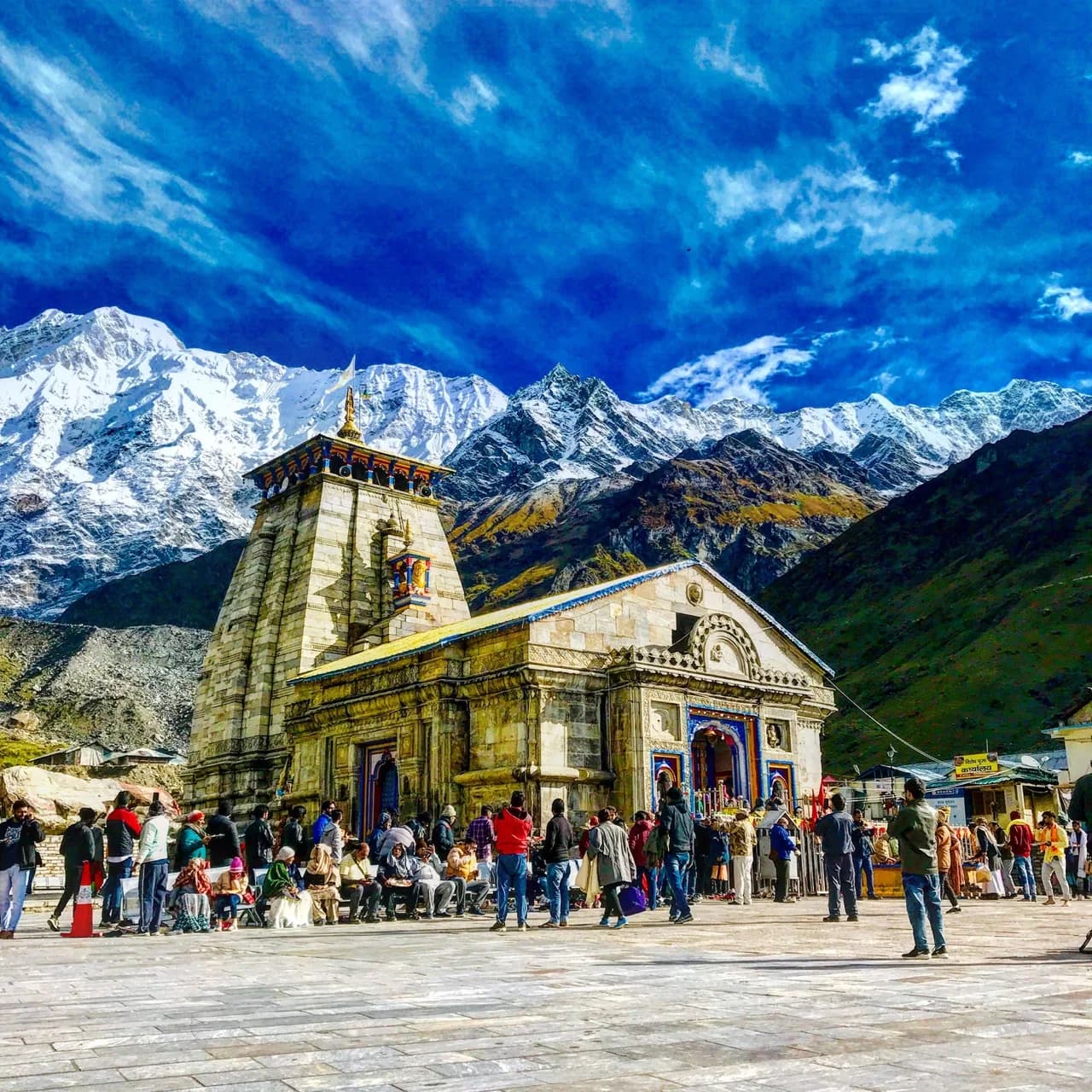
The Do Dham Yatra combines two of the four sacred shrines of the Char Dham circuit: Kedarnath — one of the 12 Jyotirlingas of Shiva, perched at 3,584 metres in the Garhwal Himalayas — and Badrinath — the most revered Vishnu temple in northern India, situated at 3,133 metres on the banks of the Alaknanda river. Together, they represent the twin pillars of Vaishnava and Shaiva devotion in the Uttarakhand Himalayas.
For pilgrims who cannot complete the full 9-night Char Dham circuit covering all four shrines (Yamunotri, Gangotri, Kedarnath, Badrinath), the Do Dham Yatra offers the most spiritually complete two-shrine combination. It covers both Shiva and Vishnu in a single journey from Haridwar, making it ideal for those with a 5–6 day window.
The yatra gained massive popularity after the 2013 Kedarnath floods. Hundreds of thousands of pilgrims who could not complete the full Char Dham circuit began opting for the Do Dham — and the route has matured significantly since then, with better infrastructure, regulated registration, and improved road access.
Do Dham Yatra 2026 — Opening Dates
Both temples operate on a seasonal schedule, opening in late April / early May and closing in late October / early November before winter snowfall renders the routes inaccessible:
- Kedarnath — Opens on Akshaya Tritiya, approximately 29 April 2026. The exact opening date is announced at Mahashivratri (February 2026) after the Jyotish calculation by the Kedarnath temple priests.
- Badrinath — Opens 2–3 days after Kedarnath, typically 1–3 May 2026. The opening date is announced at Basant Panchami.
- Kedarnath closing date — Bhai Dooj (second day after Diwali), approximately 31 October 2026.
- Badrinath closing date — 2–4 days after Kedarnath, approximately 3–5 November 2026.
The opening and closing ceremonies of both temples are significant events in themselves. The opening involves the return of the deity (which spends winter at Ukhimath for Kedarnath and Joshimath for Badrinath) to the main temple, accompanied by priests in traditional attire and thousands of waiting pilgrims.
Do Dham Yatra Itinerary — 5 Nights / 6 Days from Haridwar
The standard Junegiri Yatra Do Dham itinerary from Haridwar to Haridwar:
- Day 1 — Haridwar to Guptkashi (210 km, ~8 hours). Depart Haridwar early morning. Drive via Rishikesh, Devprayag, Rudraprayag to Guptkashi (1,319m). The dramatic Rudraprayag confluence of the Mandakini and Alaknanda rivers is a sacred stop along the way. Evening visit to Vishwanath Temple in Guptkashi — a replica of the Varanasi Kashi Vishwanath. Night at Guptkashi.
- Day 2 — Guptkashi to Kedarnath. Drive from Guptkashi to Gaurikund (29 km, 1 hour). Trek 16 km from Gaurikund to Kedarnath (altitude gain: 1,600m) — takes 5–7 hours on foot. Alternatively, take the helicopter from Phata or Sirsi helipads (7-minute flight). Check into GMVN lodge or guesthouse near the temple. Attend the evening Shayan Aarti at 7 PM — one of the most deeply spiritual experiences on the entire yatra.
- Day 3 — Kedarnath to Badrinath. Early morning darshan at Kedarnath (start before 6 AM to avoid queues). Descend to Gaurikund by 10 AM. Drive from Gaurikund to Badrinath (180 km, ~6 hours) via Rudraprayag, Chamoli, and Joshimath. The road from Joshimath to Badrinath (49 km) is among the most spectacular mountain drives in India, following the Alaknanda through Vishnuprayag. Night at Badrinath.
- Day 4 — Badrinath darshan and Mana Village. Early morning: Tapt Kund dip (natural hot spring below the temple, mandatory ritual before entering). Temple opens at 4:30 AM for Maha Abhishek. General darshan 8 AM–1 PM. Afternoon: Mana Village (3 km from the temple) — India's last village before the Tibet border. Visit Vyas Gufa (where Vyasa composed the Mahabharata), Bhim Pul (boulder bridge over Saraswati river), and the last chai shop in India. Night at Badrinath.
- Day 5 — Badrinath to Rishikesh. Post-morning darshan (if desired), depart Badrinath. Drive to Rishikesh (295 km, ~9 hours) via Chamoli, Rudraprayag, Devprayag. Night at Rishikesh — the drive along the Alaknanda and Ganga is itself a meditative experience.
- Day 6 — Rishikesh / Haridwar Ganga Aarti and departure. Morning Ganga Aarti at Har Ki Pauri (if time permits) or Parmarth Niketan in Rishikesh. Return to Haridwar for onward travel.
Do Dham Yatra Cost — 2026 Pricing
Costs depend on group size, mode of transport, and accommodation tier:
- Budget (shared transport, basic guesthouses) — ₹10,000–13,000 per person in a group of 8+
- Standard (private Tempo Traveller, mid-range hotels) — ₹13,500–16,500 per person in a group of 4–6
- Premium (private SUV, 3-star lodges) — ₹20,000–26,000 per person
- With Kedarnath helicopter one-way — Add ₹5,500–7,000 per person to any tier above
The Junegiri Yatra Do Dham 5N/6D package starts at ₹13,500 per person (group of 4, standard tier, no helicopter). This includes private vehicle, all accommodation (5 nights), all meals, a certified guide, biometric registration management, and all permits. No hidden charges.
Kedarnath vs Badrinath — Key Differences Every Pilgrim Should Know
Many pilgrims wonder about the significance and practical differences between the two shrines:
Religious Significance
- Kedarnath — One of the 12 Jyotirlingas, the most sacred forms of Shiva in Hinduism. The temple is estimated to be 1,000+ years old. The deity is a natural rock formation (Shivalinga) that Adi Shankaracharya installed the worship of in the 8th century.
- Badrinath — One of the four Char Dhams established by Adi Shankaracharya. The primary Vishnu shrine of northern India. Home to the Badrinarayan idol — believed to be the exact idol Shankaracharya retrieved from the Narada Kund hot spring.
Physical Accessibility
- Kedarnath — Requires a 16 km trek from Gaurikund (altitude 1,982m to 3,584m), or a 7-minute helicopter flight. Physical demands are significant; not suitable for elderly pilgrims without helicopter option.
- Badrinath — Road access to within 400 metres of the temple. Completely accessible for all pilgrims including elderly and those with mobility issues.
Best Time Within Season
- Kedarnath — Best in May (post-opening) and September–October (post-monsoon, clear skies, lighter crowds)
- Badrinath — Best in May–June and September–October. July–August: heavy rain but manageable as road access continues
Registration Requirements for Do Dham Yatra 2026
Biometric registration became mandatory for both shrines from 2023 following overcrowding incidents. Here is the complete process:
- Visit registrationandtouristcare.uk.gov.in
- Create an account using your mobile number
- Register your Aadhaar number or passport (for foreign nationals)
- Select Kedarnath Yatra and choose your preferred visit date and slot
- Repeat the process for Badrinath Yatra on a different date (usually 2–3 days after Kedarnath)
- Download and print both registration slips — they are checked at every check post
Key registration tips from Junegiri Yatra's pilgrimage coordinators:
- For opening week dates (late April / early May), registration slots open 2–3 months in advance and fill within hours. Set alerts.
- Peak weekend slots for May and June fill 3–4 weeks in advance. Register as soon as your travel dates are confirmed.
- Pilgrim aged 50+ must carry a medical fitness certificate from any MBBS doctor. The certificate must state the doctor's registration number.
- Junegiri Yatra handles registration management for all our Do Dham package guests — you do not need to navigate the portal yourself.
Helicopter Option for Kedarnath — Is it Worth It?
The most common question from Do Dham pilgrims: should you trek or take the helicopter to Kedarnath?
Choose the trek if:
- You are physically fit (can walk 12–16 km per day with 1,600m elevation gain)
- You want the full spiritual experience of the traditional pilgrimage route
- You are aged 18–55 with no cardiac, respiratory, or joint issues
Choose the helicopter if:
- You are aged 60+ or have any cardiac, respiratory, or joint conditions
- You have limited time (helicopter saves 12–14 hours of trekking)
- You are travelling with young children or elderly family members
Helicopter prices for 2026: ₹4,500–5,500 one way from Phata or Sirsi. Return helicopter: add the same amount. Total round-trip helicopter cost: ₹9,000–11,000 per person additional to the package price.
Important: Book helicopter slots at least 2–3 weeks before your trip in peak season (May–June). Helipads are weather-dependent — have a trek backup plan.
Packing List for Do Dham Yatra
The Do Dham covers Kedarnath at 3,584m and Badrinath at 3,133m. Pack accordingly:
- Warm layers: thermal underwear, fleece, windproof jacket — temperatures at both shrines can drop to 0–5°C even in May
- Trekking shoes with ankle support (for Kedarnath trek)
- Biometric registration slips and Aadhaar card (original + 2 photocopies)
- Medical fitness certificate (if aged 50+)
- Personal medications + Diamox (altitude sickness prevention — consult your doctor)
- Power bank, warm woolens, and waterproof outer layer
- Traditional clothing for temple entry — shoulders and knees must be covered
Do Dham Yatra Travel Tips from Our Guides
- Don't attempt Day 1 as drive + Day 2 as trek without an overnight break. The drive from Haridwar to Gaurikund is 8–9 hours. Arriving the same day and trekking the next morning guarantees exhaustion. Sleep in Guptkashi or Sonprayag the night before the trek.
- Carry cash beyond Rudraprayag. ATMs become scarce after Ukhimath and Chamoli. Withdraw in Rudraprayag.
- Book Kedarnath accommodation 3–4 weeks in advance in peak season. The GMVN guest house near the temple fills up fast. Our Do Dham package handles this automatically.
- Wake up at 4 AM for Badrinath darshan. The Tapt Kund bathing is best before 6 AM (less crowded), and the morning darshan queue is shortest between 5–7 AM.
- Don't skip Mana Village. It is 3 km from Badrinath by road and adds 2–3 hours to your Badrinath day — but the mythological sites (Vyas Gufa, Bhim Pul, Saraswati river) are extraordinary.
Do Dham Yatra vs Char Dham Yatra - Complete Comparison
Many pilgrims who are time-constrained ask us: is the Do Dham Yatra spiritually complete, or is the full Char Dham always better? Here is an honest comparison:
Spiritual Coverage
- Do Dham covers Shiva (Kedarnath Jyotirlinga) and Vishnu (Badrinath). From a theological standpoint, these are the two supreme deities in mainstream Hinduism. The Do Dham covers all Vaishnavite and Shaivite obligations.
- Char Dham additionally covers Yamunotri (Yamuna river source, Goddess Yamuna) and Gangotri (Ganga river source, Goddess Ganga). These add the river goddess traditions and the Shakta dimension to the pilgrimage.
- Verdict: If your primary devotion is Shiva or Vishnu, Do Dham is spiritually complete. If you want the full Himalayan river goddess tradition, Char Dham is more comprehensive.
Time and Physical Demand
- Do Dham: 5-6 days minimum. One major trek (Kedarnath). Road distance: ~1,100 km round trip.
- Char Dham: 9-10 days minimum. Two trekking segments (Yamunotri 6 km + Kedarnath 16 km). Road distance: ~1,600 km round trip.
Cost Comparison
- Do Dham standard package: Rs. 13,500-18,000/person
- Char Dham standard package: Rs. 19,800-26,000/person
- The Do Dham is roughly 25-30% cheaper than Char Dham.
FAQ - Do Dham Yatra 2026
Can I do Do Dham Yatra with elderly parents?
Yes, absolutely. The key adjustment for elderly pilgrims is to use the Kedarnath helicopter instead of trekking. With helicopter, elderly pilgrims regularly complete the Do Dham Yatra comfortably. Badrinath is entirely road-accessible. Plan 6 nights (extra rest day) rather than 5.
What is the best month for Do Dham Yatra?
September to mid-October is the best month for the Do Dham Yatra. The monsoon has ended, the skies are clear (best views of Neelkanth and the surrounding peaks from Badrinath), the trail is dry, and crowds are 40-50% lower than May-June. The Kedarnath meadows turn golden-orange, and the overall atmosphere is more serene than opening season.
How many days is minimum for Do Dham Yatra?
The absolute minimum is 4 nights / 5 days. However, 5 nights / 6 days is strongly recommended for a comfortable, unhurried experience that includes the evening aarti at Kedarnath, the Mana Village visit at Badrinath, and a buffer day for travel delays. Do not attempt to compress Do Dham into 3 nights - the physical toll of driving 8-10 hours and trekking 16 km within 48 hours is excessive.
Top 5 Temples to Visit Beyond Kedarnath and Badrinath on the Do Dham Route
The Do Dham route passes through a rich landscape of smaller but significant shrines that most pilgrims skip due to time pressure. Here are five worth adding if your schedule allows:
- Triyuginarayan Temple (12 km detour from Sonprayag): The mythological site of the wedding of Shiva and Parvati. The havan kund (sacred fire pit) in front of the temple is said to have burned continuously since the marriage - for three yugas (cosmic ages). The temple is quiet and atmospheric.
- Rudranath Temple (42 km hike from Sagar village near Gopeshwar): One of the Panch Kedar - the five sacred Shiva shrines of Garhwal. Off the main route but spectacular alpine setting.
- Kartik Swami Temple (3 km trek from Kroli village, near Rudraprayag): A ridge-top temple dedicated to Kartikeya with panoramic views of Kedarnath, Neelkanth, and Chaukhamba peaks.
- Vishwanath Temple, Guptkashi: A 7th-century replica of the Varanasi Kashi Vishwanath. Pilgrims who cannot travel to Varanasi consider this equal in merit. Evening aarti is beautiful.
- Neelkanth Temple (23 km from Rishikesh): Where Shiva drank the poison Halahala that emerged from the cosmic ocean churning. The blue peak visible from Badrinath bears his name (Neelkanth = blue throat).
Keep planning your Do Dham yatra
Continue with our Badrinath complete guide. When you're ready, explore our all-inclusive Do Dham yatra package — organised end-to-end by our Haridwar-based team.