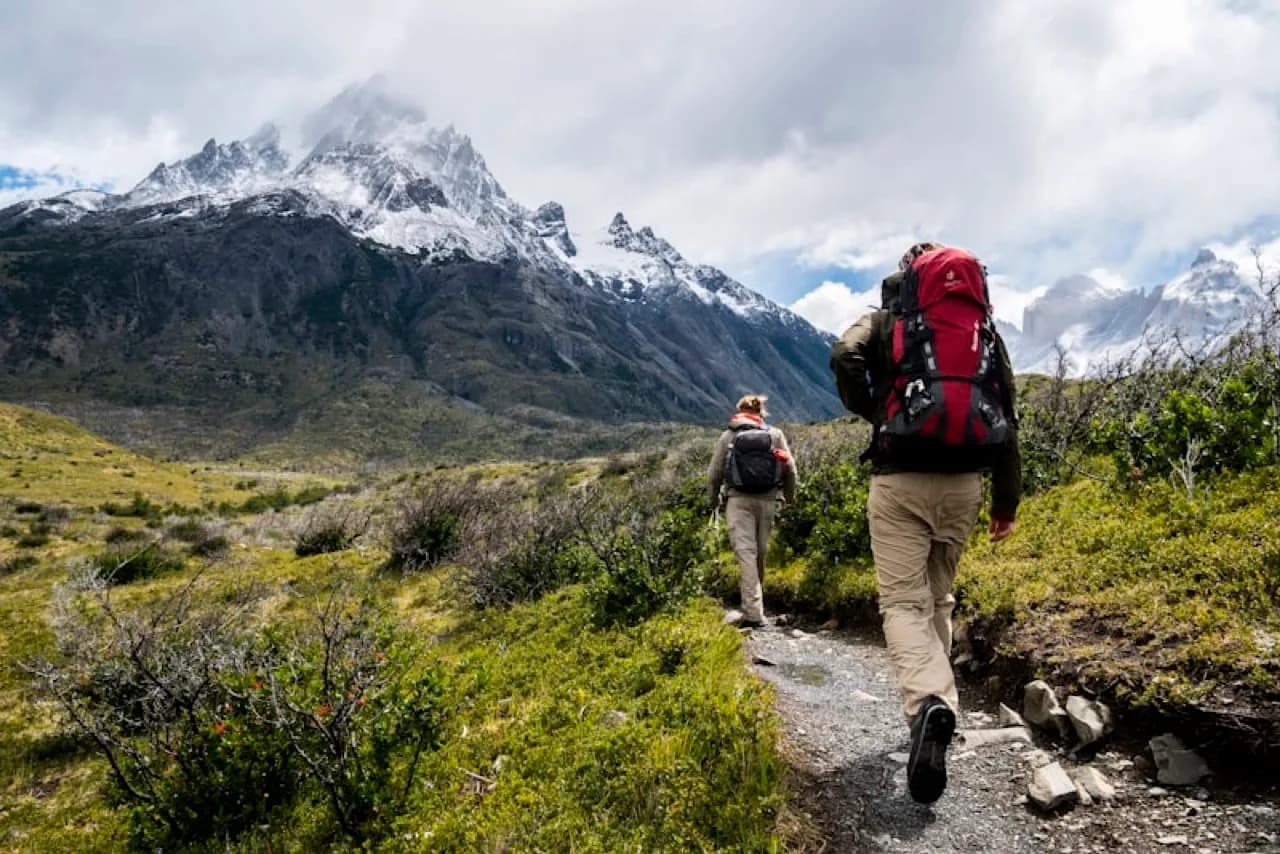
Is Uttarakhand Safe for Solo Trekking?
Uttarakhand is consistently rated one of the safest states in India for tourism, including solo travel. The trekking infrastructure — marked trails, regular checkpoints, staffed Forest Rest Houses, and mobile connectivity on most routes — makes it accessible for solo trekkers. Locals in Garhwal and Kumaon are known for their hospitality towards pilgrims and trekkers, and the cultural tradition of 'atithi devo bhava' (the guest is god) is deeply ingrained.
That said, solo trekking in any Himalayan environment requires preparation, communication planning, and respect for the mountain's unpredictability. Treating it casually because others have done it is the most common cause of solo trekking incidents.
Pre-Trek Safety Essentials
- File a trek plan — Leave detailed itinerary (trail, campsites, expected return date) with a responsible contact in your home city AND at your last hotel/lodge before the trek.
- Register at Forest Check Posts — Most trailheads have check post registers. Always sign in and out. This creates a safety record of your movements.
- Share location — Share live location (Google Maps, WhatsApp) with a trusted contact. Set a daily check-in schedule — if you miss check-in, they contact local police.
- Satellite communicator — For remote treks like Roopkund, Har Ki Dun, or Milam Glacier, a Garmin inReach or similar satellite communicator is recommended. Mobile signal disappears above certain elevations.
Recommended Solo Treks by Difficulty
Easy (First-Timer Friendly)
- Nag Tibba (3,022m) — 8 km round trip from Pantwari. 1-2 day trek. Well-marked, popular with Mussoorie day-trippers. Good mobile network.
- Chopta-Chandrashila (4,000m) — 5 km from Chopta. Easy gradient, highest accessible point with stunning Himalaya panorama. Can be done in 1 day.
Moderate
- Kedarkantha (3,800m) — 5-6 day trek from Sankri. Popular, well-marked, regular fellow trekkers on trail.
- Dayara Bugyal (3,408m) — Beautiful meadow trek near Uttarkashi. 4 days.
- Har Ki Dun (3,566m) — 7-8 day trek through Govind Wildlife Sanctuary. Excellent for nature solo trekkers.
Challenging
- Roopkund (5,029m) — The skeleton lake trek. 7-8 days, high altitude, remote. Solo only for experienced trekkers; guided strongly recommended.
- Kuari Pass (3,640m) — Also called the Curzon Trail. 6 days. Stunning views, less crowded.
Solo Women Trekking in Uttarakhand
Uttarakhand has a long tradition of solo women pilgrims (including elderly ladies doing the Char Dham alone), which creates a relatively respectful environment for solo women trekkers. Specific advice:
- Trek popular routes (Kedarkantha, Chopta, Valley of Flowers) where you are rarely alone on the trail
- Dress conservatively in villages — covered legs and shoulders are appreciated
- Stay in GMVN guest houses or lodges run by families — they understand solo women travellers
- The Mountain Rescue Unit (MRU) of Uttarakhand Police has active presence on major trekking routes in peak season
- Organisations like Indiahikes and Trek The Himalayas offer group treks where solo women can join existing groups
Permits Required
- Forest Entry Fee — Most national parks charge ₹150–200 per day (e.g., Govind Wildlife Sanctuary for Kedarkantha, Nanda Devi Biosphere for Valley of Flowers)
- AONB (Areas of Outstanding Natural Beauty) Restricted Zones — Milam Glacier and Inner Line Permit zones require District Magistrate (DM) office approval. Apply at least 4 weeks in advance.
- No special permits required for Kedarkantha, Chopta, Dayara Bugyal, or most popular trails
Also read our guide on Best Uttarakhand Treks by Difficulty for a complete comparison table. For health preparation, read the Altitude Sickness Prevention Guide.