Kuari Pass Trek 4N/5D
Walk Lord Curzon's Trail to the Roof of Garhwal
Itinerary & pricing last reviewed by the Junegiri Yatra operations team
About This Tour
The Kuari Pass Trek, historically known as Lord Curzon's Trail, is one of the most celebrated and scenically magnificent treks in the Garhwal Himalayas. Named after the British Viceroy Lord Curzon who traversed this route in the early 20th century and was said to be awed by its beauty, the trail to Kuari Pass (3,640 metres) offers what many mountaineers consider the finest panoramic view of the central Himalayan peaks accessible without technical climbing equipment.
The trek begins in Joshimath — the gateway town to Badrinath, Auli, and several major trekking routes — and winds through a sequence of increasingly dramatic landscapes: dense forests of oak and rhododendron, open alpine meadows, high-altitude bugyals (grassy plateaus), and finally the windswept saddle of Kuari Pass with its extraordinary 180-degree mountain panorama. On a clear day at the pass, trekkers can see Nanda Devi (7,816m — India's second highest peak), Trishul (7,120m), Dronagiri (7,066m), Hathi Parbat, Bethartoli Himal, Kamet (7,756m), and numerous other giants arrayed in a breathtaking arc across the northern horizon.
The route from Joshimath takes trekkers through the village of Dhak and up to the camping sites at Gulling and Khullara, both of which offer exceptional mountain views and peaceful, uncrowded camping in pristine alpine settings. The descent from Kuari Pass via the skiing meadows of Auli adds a unique dimension — Auli is India's premier ski destination and its meadows, seen from above, present a sweeping green carpet in summer, transforming to white in winter.
The Kuari Pass Trek is uniquely positioned as a multi-interest journey. Pilgrims visiting Badrinath or Hemkund Sahib often extend their trip with this trek, using Joshimath as a common base. Adventure seekers find the moderate-to-challenging terrain and high altitude rewarding. Nature lovers are captivated by the biodiversity of the Nanda Devi Biosphere Reserve buffer zone through which parts of the trail pass. Photographers find the high-altitude morning light and cloud-draped peaks endlessly compelling.
Best attempted between February and June and from September to November, the Kuari Pass trek rewards those who choose it with a mountain experience that is both grand in scale and intimate in detail — a journey that embodies everything that makes Uttarakhand's high Himalayas so special. Our knowledgeable local guides, born and raised in these mountains, bring the trail alive with stories of the peaks, the passes, and the people who call this extraordinary landscape home.
Day-by-Day Itinerary
What's Included
✓ Included
✗ Not Included
Photo Gallery
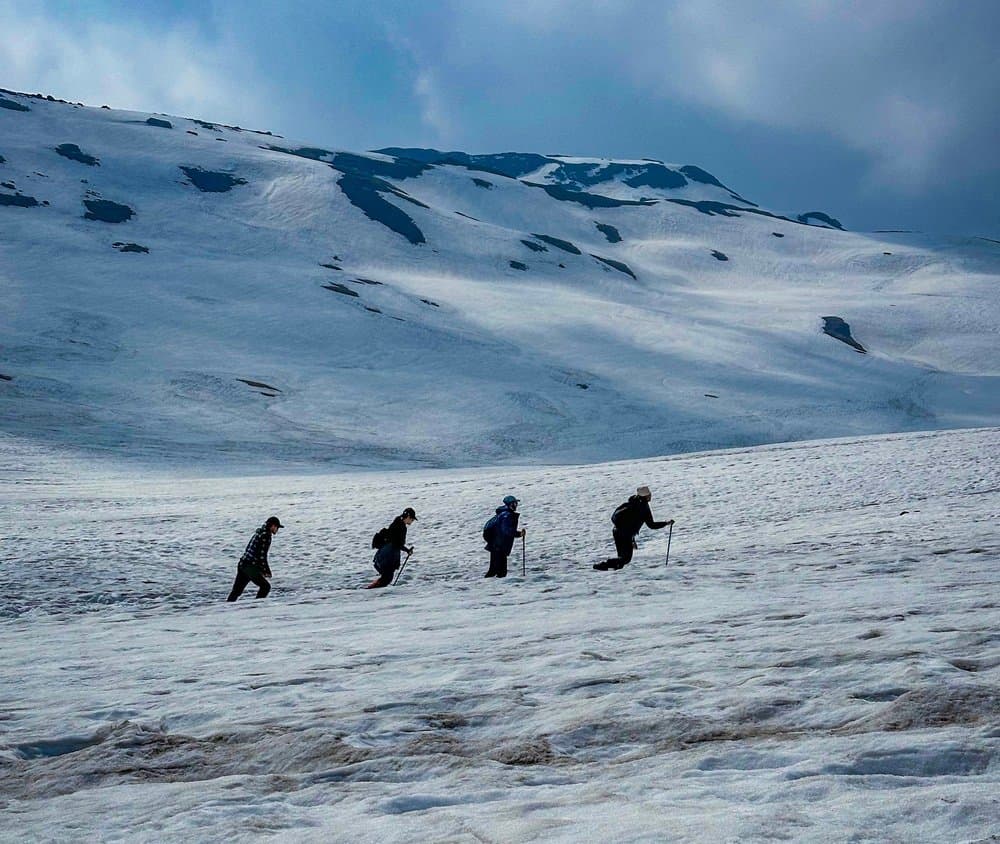
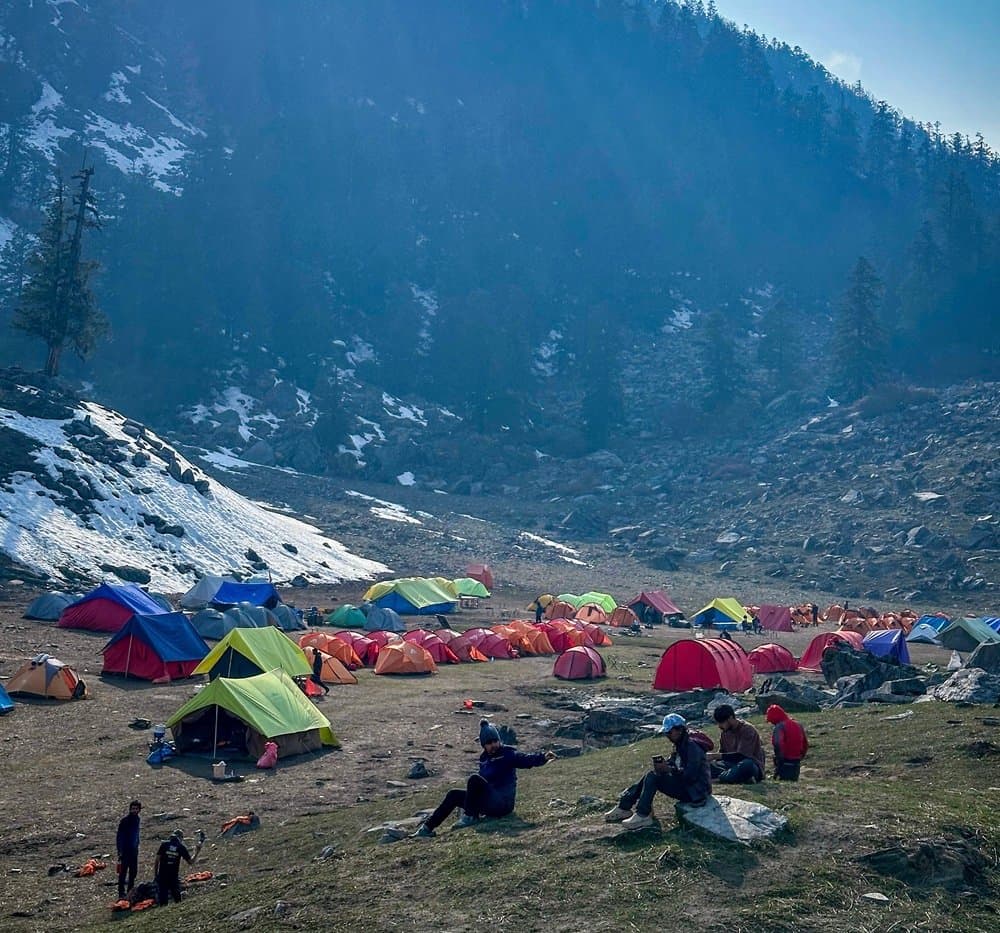
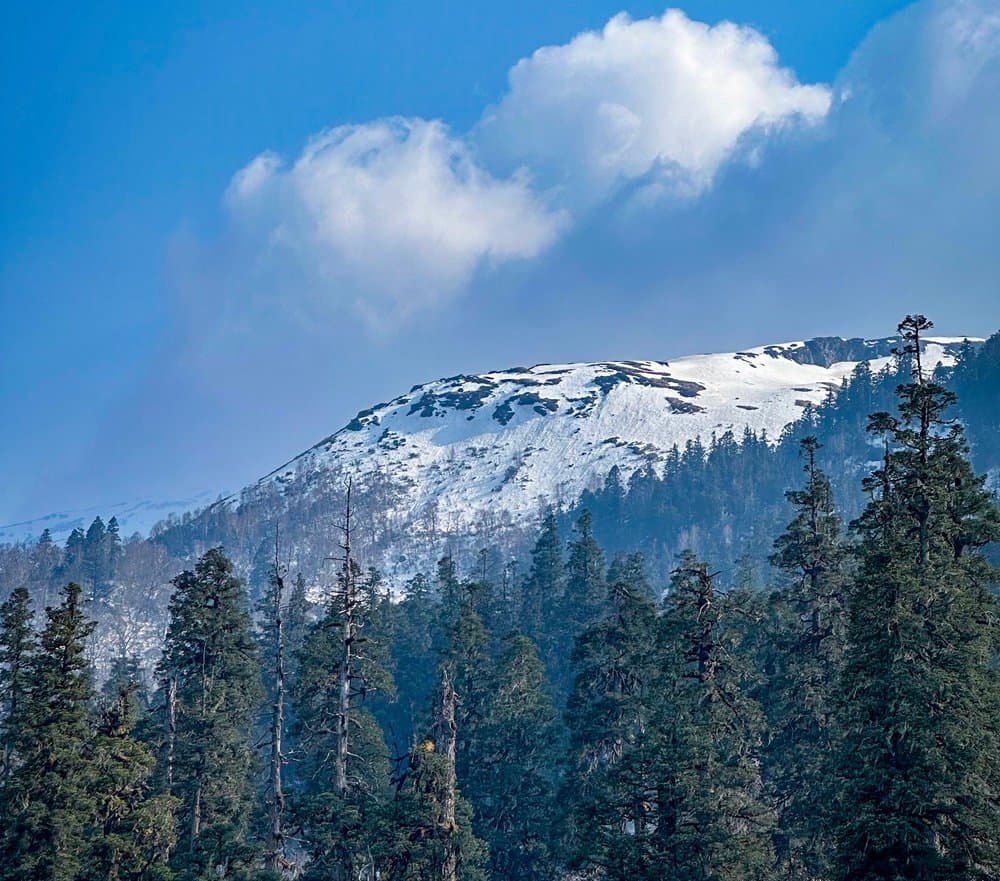
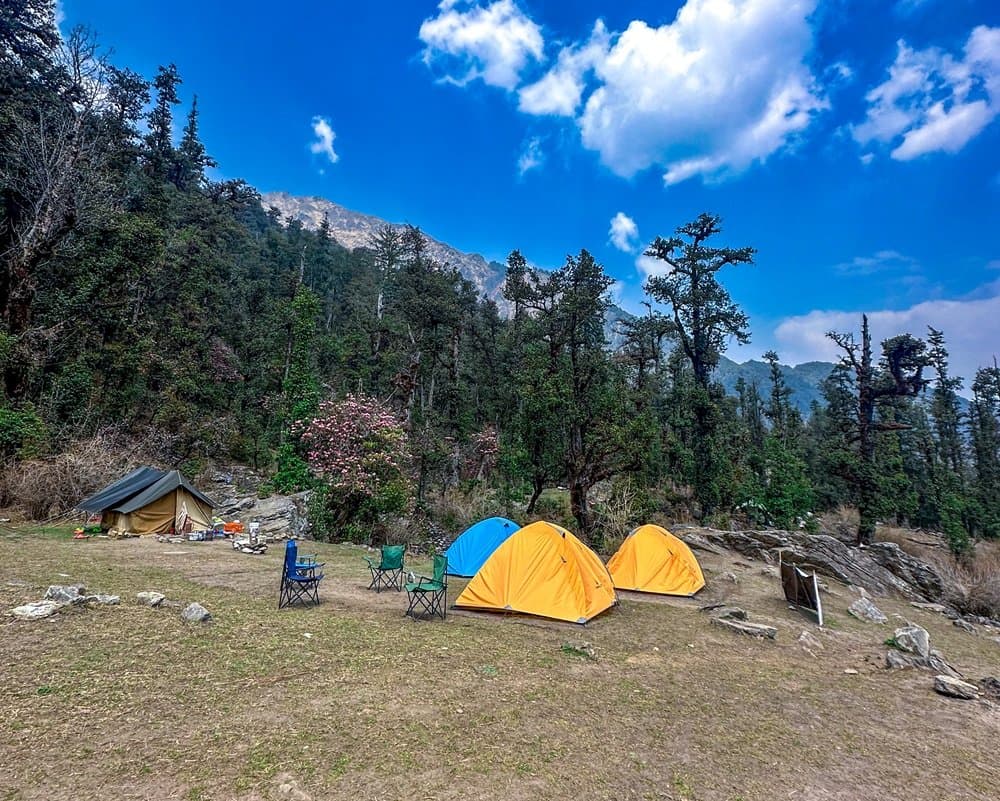
What Travelers Say
Complete Travel Guide to Kuari Pass Trek from Haridwar
The Kuari Pass Trek is the kind of journey that redefines what you thought a moderate Himalayan trek could offer. For five days, trekkers follow the footsteps of a British Viceroy through one of Garhwal's most dramatic landscapes, culminating in a mountain panorama so vast and beautiful it has been called one of the finest views on Earth. Here is everything you need to plan your Kuari Pass adventure from Haridwar.
Historical Context: Lord Curzon's Trail
Lord George Nathaniel Curzon served as Viceroy of India from 1899 to 1905 and was an avid explorer of the subcontinent's mountain landscapes. His trek through this route in the early 1900s introduced the Kuari Pass to the wider world of Himalayan exploration. Curzon's glowing descriptions of the panoramic view from the pass — encompassing dozens of major peaks — sparked interest among British mountaineers and later Indian trekkers. Today the trail bearing his name is considered a heritage route of Garhwal trekking history.
The Mountain Panorama: What You Will See
The view from Kuari Pass is the centrepiece of the entire trek. At 3,640 metres, the pass sits at just the right elevation to offer an unobstructed 180-degree arc of the high Himalaya. Nanda Devi (7,816m), the crown jewel of the Indian Himalaya and the second highest peak entirely within India's borders, dominates the northeast. Flanking her are Trishul (7,120m), Dronagiri (7,066m), Nanda Ghunti (6,309m), and Bethartoli Himal. To the north, the massive Kamet (7,756m) — the second highest peak in the Garhwal Himalaya — and the Hathi–Ghoda Parbat pair are visible on clear days. This is one of the most peak-rich viewpoints accessible on a moderate trek anywhere in the Himalayas.
The Auli Connection
The trek's descent via Auli is one of its distinctive features. Auli (2,519m) is India's foremost skiing destination, developed by GMVN in the 1980s on the slopes of the Garhwal Himalaya. Its long artificial and natural snow runs attract winter sports enthusiasts from January to March. In summer and autumn, the slopes are open green meadows with unobstructed views of Nanda Devi — a photographer's paradise. The famous Auli–Joshimath gondola ropeway, one of Asia's longest, operates year-round and is an optional addition for trekkers who wish to descend in style after the trek.
The Joshimath Base
Joshimath (1,890m), the official base for this trek, holds deep religious and strategic significance. It is the winter seat of the Badrinath deity, a Shankaracharya math (monastery) founded by Adi Shankaracharya, and the gateway to Badrinath Dham, Hemkund Sahib, Valley of Flowers, and several major trekking routes including Pangarchulla Peak. Spending a night here before and/or after the trek allows trekkers to combine the Kuari Pass adventure with a pilgrimage to Badrinath, adding spiritual richness to the physical achievement.
Flora and Ecology
The lower sections of the trek pass through mixed temperate forests dominated by banj oak, buransh (rhododendron), pine, and silver fir. These forests are part of the buffer zone of the Nanda Devi Biosphere Reserve, a UNESCO World Heritage Site, and support a rich variety of wildlife including Himalayan black bear, musk deer, barking deer, and Himalayan monal. Above the treeline, the bugyals (alpine meadows) of Gulling and Khullara are covered in summer with a diverse array of wildflowers including primulas, anemones, and Himalayan blue poppy. The ecological diversity across the 5-day route is extraordinary for a moderate trek.
Seasons in Detail
February to March brings snow on the higher sections of the trail, making for a winter trekking experience of exceptional beauty. The rhododendron forests bloom spectacularly from mid-March through May, covering the hillsides in vivid red and pink. June offers long days, warm temperatures, and clear morning skies before afternoon cloud build-up. September is the post-monsoon sweet spot, with freshly washed skies, lush green bugyals, and excellent peak visibility. October and November deliver crisp, cold air and often the clearest mountain views of the year — ideal for photography.
Fitness and Preparation
We recommend beginning fitness preparation 4–6 weeks before the trek. Key exercises include daily walking or running (building up to 45–60 minutes), stair climbing with a loaded day pack, and weekend hikes on any available hilly terrain. Core strength training helps significantly on ascents and descents over multiple consecutive days. Staying hydrated (3–4 litres of water daily on trek days), eating energy-rich foods, and maintaining a consistent moderate pace are the most important in-trek habits. Those with a history of altitude sickness should consult a physician before booking.
Frequently Asked Questions
Ready to Book?
WhatsApp us for instant confirmation, custom dates, and group pricing.
Who plans this trip
This itinerary is planned and operated by Junegiri Yatra— a Haridwar-based pilgrimage & Himalayan trek operator running Himalayan circuits since 2017, run by Vignesh Waram, Yash Negi and Sumit Nautiyal, licensed by Uttarakhand Tourism (ATOI-approved). Our team runs the Char Dham, Valley of Flowers, Kedarnath and Himalayan trek circuits end-to-end, so every route, cost and timing detail on this page comes from first-hand operating experience. More about the team →