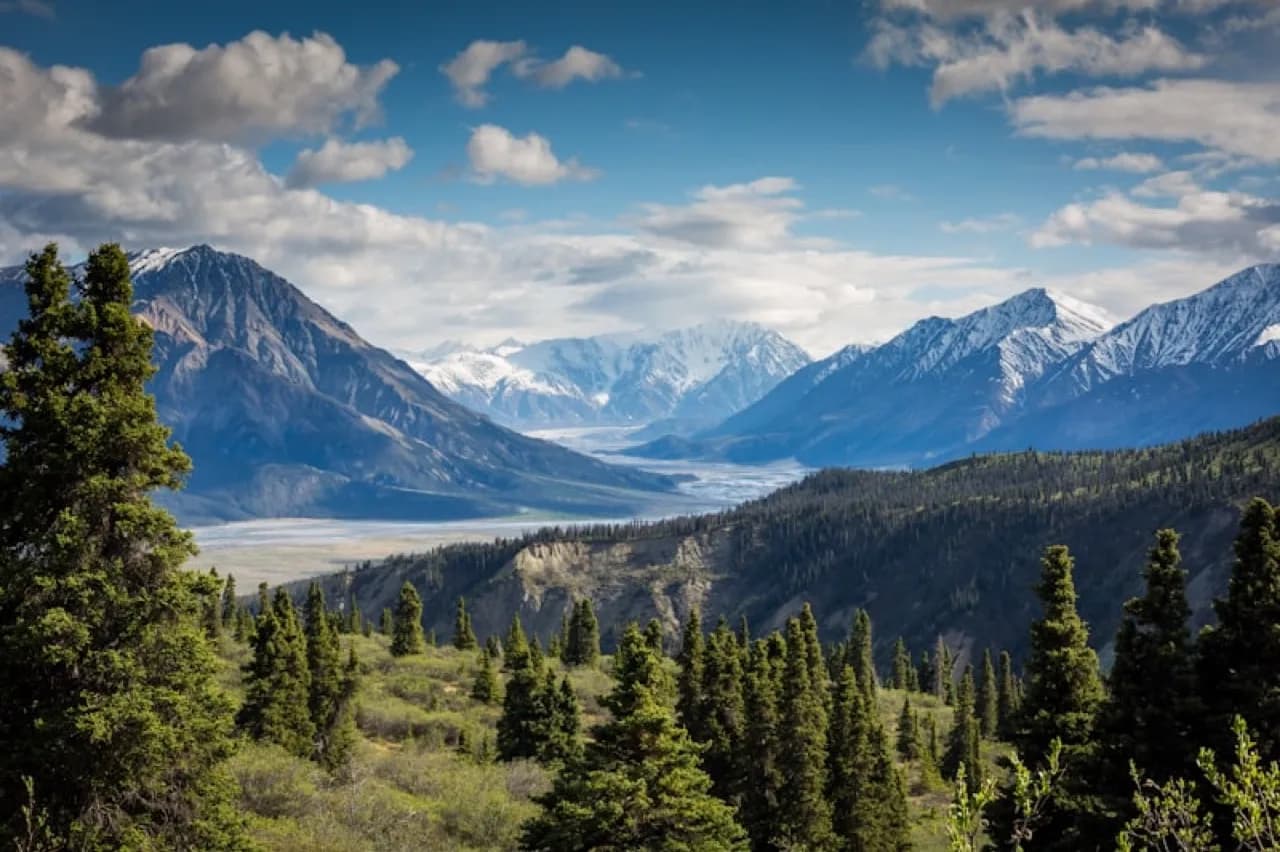
Uttarakhand — Where Himalayas Meet the Jungle
Uttarakhand occupies a remarkable geographical transition — from the subtropical Terai forests at 300 metres to the permanent snowfields at 7,000 metres. This elevation gradient creates extraordinary biodiversity: tigers and elephants in the Terai, snow leopards and Himalayan monal in the high mountains, and an astonishing range of birds throughout.
International visitors to Uttarakhand for pilgrimage or trekking often overlook the wildlife dimension — which is a mistake. Jim Corbett National Park alone justifies a separate trip from anywhere in the world.
Jim Corbett National Park
India's oldest national park (established 1936) and the site where Project Tiger was launched in 1973. Located 240 km from Delhi in the Kumaon foothills, Corbett protects one of India's highest densities of Bengal tigers — approximately 260 tigers in the reserve (2024 census). But tigers are only part of the story:
- Mammals: Bengal tiger, Asian elephant, leopard, sloth bear, jungle cat, spotted deer (chital), sambar deer, barking deer, wild boar, gharial crocodile, mugger crocodile
- Birds: Over 650 species documented — great hornbill, pied kingfisher, crested serpent eagle, osprey, river tern. Corbett is a premier birdwatching destination.
- Reptiles: Gharial (critically endangered crocodilian) on the Ramganga river — Corbett is one of the few places to reliably see this prehistoric creature.
Safari Zones in Corbett
- Dhikala: The main and most wildlife-rich zone. Overnight stay permitted in FNBR rest houses. Elephant grasslands and Ramganga reservoir provide excellent tiger viewing. Most sought-after zone — book months ahead.
- Bijrani: Good for day visits. Mixed forest and grassland. Regular tiger, leopard, and elephant sightings.
- Jhirna: Open year-round (other zones close June–mid-October). Reliable sloth bear sightings. Accessible from Ramnagar.
- Durga Devi: Northern zone. Excellent birdwatching along the Ramganga. Less tiger sightings but spectacular landscape and bird life.
Best Time for Jim Corbett Safari
- November–June: Main safari season. February–May is the peak for tiger sightings — tigers are more visible near water sources as temperatures rise.
- July–October: Most zones closed for monsoon and tiger breeding season. Jhirna zone remains open.
Rajaji National Park — Wildlife Near Haridwar
Rajaji National Park is adjacent to Haridwar and Rishikesh — making it perfectly placed for combining with a Char Dham Yatra or Rishikesh visit. Home to Asian elephants (250+), leopards, tigers (smaller population), and over 400 bird species. Jeep safaris available from the Chilla Range near Haridwar.
Nanda Devi Biosphere Reserve — High Altitude Wildlife
India's largest Biosphere Reserve (6,407 sq km) encompasses Nanda Devi National Park and Valley of Flowers. Home to snow leopard, Himalayan black bear, musk deer, bharal (blue sheep), and the endangered West Himalayan langur. Wildlife sightings at this altitude are rare but the landscapes are extraordinary.