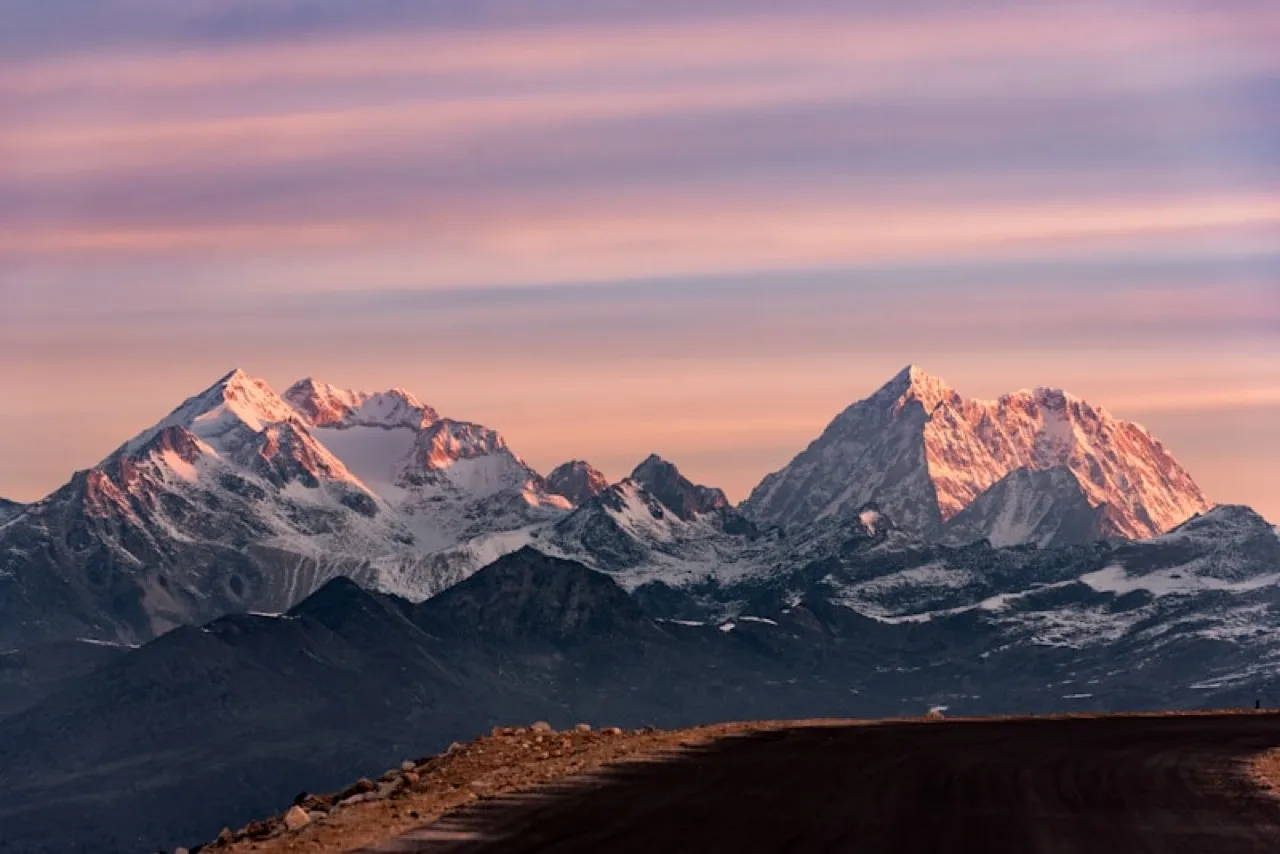
Why Trek in the Indian Himalayas?
The Indian Himalayas — specifically Uttarakhand — offer world-class trekking at a fraction of the cost of Nepal, Peru, or Patagonia. The trails pass through ancient pilgrimage routes, alpine meadows carpeted with wildflowers, forests of oak and rhododendron, and glacial valleys framed by 6,000–7,000 metre peaks. A week-long guided trek here, including accommodation, meals, guide, and permits, costs USD 300–600 per person — roughly half what the equivalent Annapurna Circuit or Everest Base Camp would cost.
Best Beginner Treks in Uttarakhand
1. Kedarkantha (3,800m) — Best for Winter Snow
Season: December–March. Duration: 5N/6D. Maximum altitude: 3,800m. The summit offers a 360-degree panorama of Himalayan peaks including Swargarohini, Bandarpunch, Kala Nag, and Ranglana. The trail passes through dense pine and oak forests blanketed in 3–4 feet of snow in January–February. Ideal for first-timers wanting a proper snow experience.
2. Kuari Pass (3,640m) — Best Panoramic Views
Season: April–June, September–November. Duration: 6N/7D. The Curzon Trail through Auli to Kuari Pass offers arguably the finest 180-degree Himalayan panorama in India — Nanda Devi (India's second highest peak at 7,816m), Dronagiri, Chaukhamba, and Kamet are all visible on a clear day. Suitable for first-timers with basic fitness.
3. Valley of Flowers (3,600m) — Best for Nature Lovers
Season: July–September. Duration: 5N/6D. A UNESCO World Heritage Site featuring 500+ wildflower species in a remote Himalayan valley. The trek to Ghangaria involves a 13 km ascent on Day 1, followed by a moderate day walk into the valley. Often combined with Hemkund Sahib Gurudwara (4,329m).
4. Dayara Bugyal (3,408m) — Most Accessible for True Beginners
Season: April–June, September–November. Duration: 3N/4D. A high-altitude meadow (bugyal) with sweeping views and gentle terrain. Daily walking: 8–10 km on well-marked trails. Shortest approach from Barkot. Perfect for first-timers or those with limited time.
5. Chopta–Tungnath (3,680m) — Best for Pilgrimage + Trekking
Season: April–November. Duration: 2N/3D. A 3.5 km trek to Tungnath — the highest Shiva temple in the world (3,680m) — followed by a steep 1 km climb to Chandrashila summit (4,130m) with views of Chaukhamba, Nanda Devi, and Kedarnath peak. Short enough for a weekend but rewarding enough to remember for life.
Gear to Bring from Home vs Rent in India
Bring from Home
- Hiking boots with ankle support (broken in — never new)
- Trekking socks (wool or synthetic, 3+ pairs)
- Base layers (thermal top and bottom)
- Mid-layer fleece or down jacket
- Rain jacket
- UV-protection sunglasses
- Sunscreen SPF 50+
- Personal medications including Diamox (consult doctor first)
Available to Rent in India (at trek base)
- Trekking poles (₹100–150/day)
- Gaiters
- Crampons (for winter treks)
- Sleeping bags (we provide in our camps)
- Backpack (daypack 20–25L)
Fitness Preparation for Himalayan Trekking
Begin training 6–8 weeks before departure:
- Week 1–2: 30-minute walks daily on varied terrain
- Week 3–4: 45–60 minute walks including hills or stairs. Add a loaded daypack (5 kg).
- Week 5–6: Weekend hikes of 2–3 hours with 8 kg pack. Daily 20-minute cardio (cycling, swimming).
- Week 7–8: Maintain fitness, reduce heavy sessions. Focus on mobility and stretching.
How to Book as an International Visitor
WhatsApp us at +91 98738 97652 with your preferred trek, dates, and group size. We send a detailed itinerary and payment options (international bank transfer, Wise, Razorpay) within 4 hours. A 30% deposit secures your slot; balance due 14 days before departure. Full refund if we cancel due to weather or government closure.