What Makes Har Ki Dun Special?
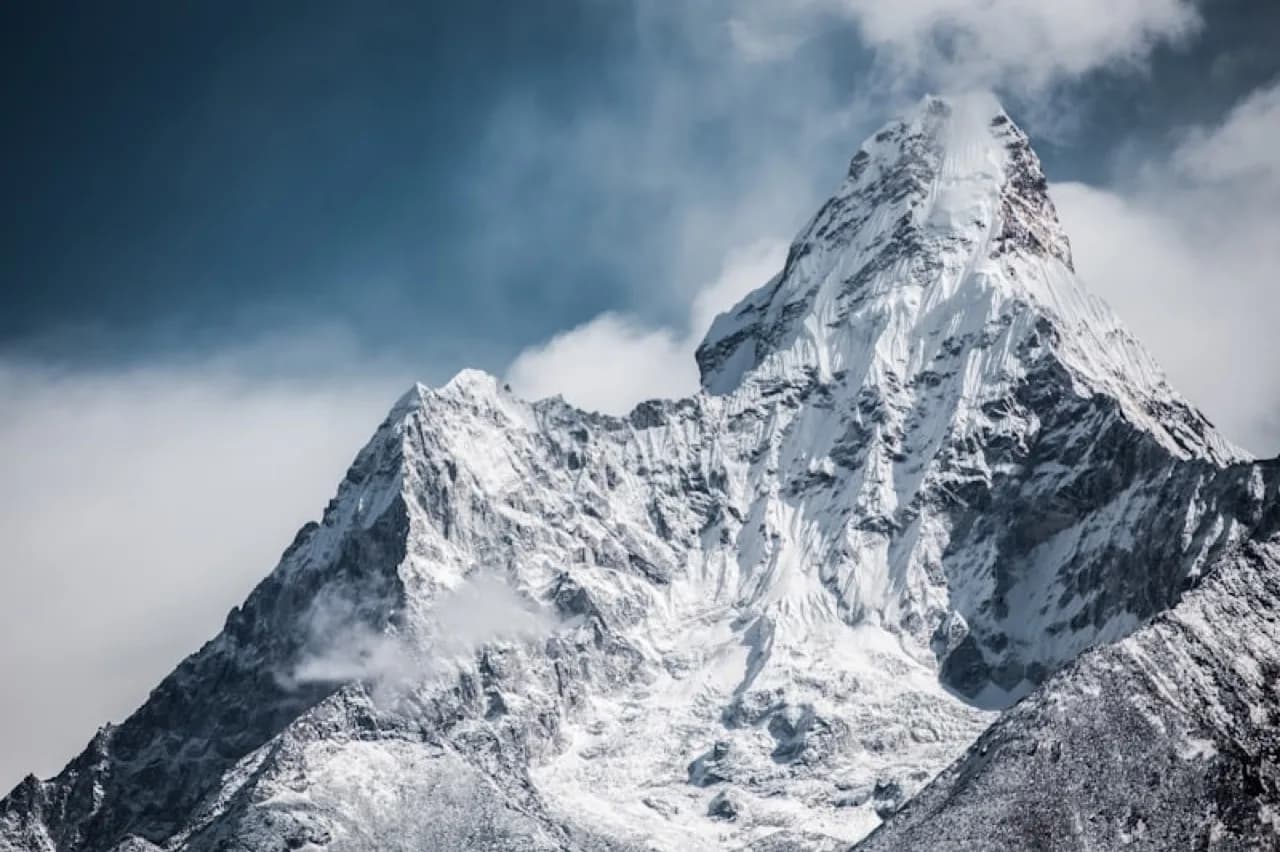
Har Ki Dun ('Valley of Gods' in the local Jaunsari dialect) is a hanging valley in Uttarkashi district at 3,566 metres, enclosed on three sides by the Swargarohini (6,252m), Bandarpunch (6,316m), and Black Peak (6,387m) massifs. The valley floor is a sweep of meadows dotted with ancient Jaunsari wooden temples — unchanged for centuries.
Unlike more commercialised treks, Har Ki Dun receives fewer than 5,000 trekkers per year. The forest is dense — oak, rhododendron, pine — and the trail passes through living villages (Osla, Gangad) where the Jaunsari tribe practices polyandry (a custom descended from Draupadi's marriage to the five Pandavas, according to legend).
Har Ki Dun Trek at a Glance
- Max altitude: 3,566 metres (Har Ki Dun valley floor)
- Trek length: 54 km round trip
- Duration: 5 nights / 6 days (from Sankri base)
- Difficulty: Easy to moderate
- Best season: April–June and September–November
- Winter option: February–March for snow views (for experienced trekkers only)
How to Reach Har Ki Dun — From Haridwar
- Haridwar → Dehradun: 54 km by road (~1.5 hrs)
- Dehradun → Sankri: 182 km by road (~8 hrs) via Vikasnagar, Purola, Mori to Sankri. Shared jeeps available from Dehradun's Mussoorie Bus Stand. Private cab recommended for comfort. Sankri is at 1,920m and is the trail-head village.
- Total: 236 km, ~10 hours from Haridwar to Sankri.
Har Ki Dun Trek Itinerary — 5N/6D from Sankri
- Day 1: Sankri → Taluka (12 km drive or 4 km walk) → Seema (9 km trek, 2,600m). Forest trail along the Supin river. Night at camp.
- Day 2: Seema → Osla village (3 km trek, 2,565m). Short day; explore the wooden temples of Duryodhan and Someshwar in Osla. Night at camp.
- Day 3: Osla → Har Ki Dun (6 km trek, 3,566m). Open meadow trek along Har Ki Dun stream. Summit views of Swargarohini if clear. Full day exploration of the valley. Night at camp.
- Day 4: Har Ki Dun → Kalkatiyadhar sidetrip (optional, +2 km, for Swargarohini close views) → back to Osla. Night at camp.
- Day 5: Osla → Seema → Taluka (12 km). Night at camp.
- Day 6: Taluka → Sankri → Dehradun/Haridwar drive.
Permits for Har Ki Dun
- Entry into Govind Wildlife Sanctuary requires a permit: ₹150/day (Indian nationals), ₹600/day (foreign nationals)
- Permits are obtained at the Forest Range Office in Sankri
- Camping is only permitted at designated sites (Seema, Osla, Har Ki Dun)
Best Season for Har Ki Dun Trek
- April–June: Rhododendrons bloom, snow may still be on upper sections. Best for colour photography.
- September–November: Clear skies, golden meadows, best mountain views. Ideal overall season.
- February–March: Heavy snow on the trail (up to 2m at the valley). For experienced snow trekkers only.
View the Har Ki Dun Trek 5N/6D package from Junegiri Yatra — starting at ₹9,500 per person, including transport from Haridwar, camping equipment, meals, and an NCRD-certified guide.
Detailed Day-by-Day Trek Narrative
Day 1 - Sankri to Seema (9 km, 2,600m)
The trek from Sankri begins through apple orchards and pine forest above the Supin river. After 4 km, you reach Taluka (also accessible by jeep from Sankri - most groups drive to Taluka to save time and begin trekking from here). From Taluka, the trail enters the Govind Wildlife Sanctuary and climbs through dense oak, maple, and birch forest. The Supin river runs below, occasionally audible as rapids. The campsite at Seema is a flat clearing in the forest, with views of the first snowfields above. River water is safe to drink at this altitude after boiling or purifying.
Day 2 - Seema to Osla (3 km, 2,565m)
A short day to allow acclimatisation. The trail descends slightly from Seema to the valley floor and follows the river to Osla - a working village of the Jaunsari tribal community. The Jaunsari are among the most distinctive tribal communities of Uttarakhand: they speak a proto-Pahari dialect, practice polyandry (a woman marries multiple brothers simultaneously, a custom they trace back to the Pandavas), and their wooden temples are architecturally extraordinary.
The Duryodhan temple in Osla is one of the most unusual in India - it is dedicated to Duryodhan, the Kaurava king who is the villain of the Mahabharata from a mainstream Hindu perspective. In the local tradition, however, Duryodhan is revered as a warrior king who protected this valley. The temple's carved wooden facade, dating back several centuries, is remarkable.
Day 3 - Osla to Har Ki Dun Valley (6 km, 3,566m)
The climax of the trek. The trail from Osla ascends through moraines and meadows to the valley floor. As you crest the final ridge, the full Har Ki Dun valley opens before you: a sweeping amphitheatre of meadows, glacial streams, and towering rock walls, with the Swargarohini massif dominating the skyline ahead. On clear mornings, the summit of Swargarohini I (6,252m) and its satellites are in full view.
The name Har Ki Dun translates to 'Valley of the Gods.' The local tradition holds that the Pandavas ascended to heaven (Swarga) via the Swargarohini peak - the very summit visible from the valley floor. The valley feels sacred in a way that is hard to articulate: a deep quiet, pristine air, and the sense of being in a place where human presence has been a brief interlude in geological time.
Wildlife in Har Ki Dun and Govind Wildlife Sanctuary
The Govind Wildlife Sanctuary (958 sq km) surrounding the trek is one of the least disturbed forest ecosystems in the Garhwal Himalayas:
- Himalayan tahr - large wild goat-antelope; commonly seen on the rocky slopes above the tree line
- Bharal (blue sheep) - upper alpine zones near the valley floor
- Musk deer - elusive; occasionally seen in the forest sections below Seema
- Himalayan black bear - present in the sanctuary; avoid trekking at dawn/dusk alone
- Snow leopard - extremely elusive, but confirmed present in the sanctuary. Winter treks occasionally report sightings.
- Golden eagle and Lammergeier (bearded vulture) - commonly seen soaring above the valley
Equipment List for Har Ki Dun Trek
- Trekking shoes with ankle support (waterproof recommended)
- Layered clothing: thermal base, fleece mid-layer, windproof outer shell
- Sleeping bag rated to -5 degrees C (rental available in Sankri at Rs. 100-150/day)
- Trekking poles (reduce knee strain on the Seema-Osla descent)
- Headlamp with spare batteries
- Water bottle (2 litres) + purification tablets
- First aid kit including Diamox, altitude sickness protocol
- Warm hat, gloves, neck gaiter - the valley floor at 3,566m is cold even in summer evenings
Junegiri Yatra Har Ki Dun Package
Our Har Ki Dun Trek 5N/6D package starts at Rs. 9,500 per person (group of 4) from Haridwar. Includes private vehicle (Haridwar-Sankri-Haridwar), camping equipment (tents, sleeping bags, sleeping mats), all meals on trek, NCRD-certified guide, forest permits, and sanctuary entry fees. WhatsApp: +91 98738 97652
Har Ki Dun in Winter (February-March) - The Snow Trek Option
For experienced trekkers, Har Ki Dun in winter (February-March) offers a completely different experience: the valley floor is buried under 1-2 metres of snow, the trees are bare and stark, and the solitude is profound. In winter, you may be one of only 5-10 trekkers on the entire trail.
Winter trek requirements:
- Previous high-altitude trekking experience (at least 2-3 treks above 3,000m)
- Full mountaineering gear: crampons, ice axe, gaiters, 4-season sleeping bag
- Snow camping expertise or travel with a guide who has it
- Permit to enter the sanctuary in winter (requires special permission from Forest Department)
Har Ki Dun vs Kedarkantha Trek - Which is Better?
Both are in Uttarkashi district and are frequently compared:
Kedarkantha
- Max altitude: 3,811m
- Duration: 5-6 days
- Summit: Yes (proper mountain summit)
- Season: December-April (best in snow)
- Crowds: High (one of India's most popular treks)
- Price: Rs. 7,500-10,000/person
Har Ki Dun
- Max altitude: 3,566m
- Duration: 5-6 days
- Summit: No (valley trek)
- Season: April-November (best April-June and September-October)
- Crowds: Low (far fewer trekkers)
- Price: Rs. 9,500-12,000/person
Verdict: Choose Kedarkantha for a summit experience and December-April adventure. Choose Har Ki Dun for cultural immersion in the Jaunsari villages, botanical richness, and true offbeat solitude. Many regular trekkers consider Har Ki Dun more rewarding despite (or because of) its lower profile.
How to Reach Sankri (Har Ki Dun Trek Base) from Haridwar
Sankri (1,920m) is the base village for the Har Ki Dun trek, 182 km from Dehradun:
- Haridwar to Dehradun: 54 km, 1.5 hours by road or 30 minutes by train
- Dehradun to Sankri: 182 km, 7-8 hours by road. Take the route via Vikasnagar, Purola, and Mori. The last 60 km after Naugaon is on a narrow mountain road - take a capable vehicle (Bolero or similar) rather than a sedan.
Total Haridwar to Sankri: 236 km, ~10 hours. Most groups drive overnight (depart Haridwar at 10 PM, arrive Sankri by 8 AM) or stop in Purola for the night (160 km from Haridwar).
Sankri facilities: Basic but adequate. Several homestays and small hotels. The main trekking outfitter shops are here - buy/rent camping gear, crampons, and trekking poles if needed.
Har Ki Dun Trek - Frequently Asked Questions
How do I get to Sankri from Haridwar or Rishikesh?
The fastest option is to take the Mussoorie Bus Stand at Dehradun and board the daily shared jeep to Sankri (departs 6 AM, arrives Sankri 2-3 PM, Rs. 400-500/person). From Haridwar, take a bus or taxi to Dehradun first (54 km, 1.5 hours). Alternatively, Junegiri Yatra provides a private vehicle Haridwar-Sankri as part of the Har Ki Dun package.
Is mobile network available on the Har Ki Dun trek?
BSNL has the best coverage. Signal is available in Sankri and in Osla village. There is no network on the trail between Seema and Har Ki Dun. Inform your family about the no-signal stretches before you go. Satellite communicators (Garmin inReach) can be rented from trekking shops in Sankri for Rs. 300-500/day for emergency communication.
What is the Govind Wildlife Sanctuary entry permit fee?
Rs. 150/day for Indian nationals, Rs. 600/day for foreign nationals. Video camera: Rs. 200. Permits are purchased at the Taluka Forest Check Post or at the Sankri Forest Range Office. Our Har Ki Dun package includes all sanctuary fees.
Har Ki Dun Trek Booking and Logistics
The Har Ki Dun trek requires minimal advance booking compared to the popular Char Dham and Kedarnath circuits. However, planning at least 3-4 weeks in advance is recommended for:
- Transport booking (private vehicle from Haridwar to Sankri needs to be confirmed)
- Accommodation in Sankri (limited homestays; fill up on weekends in peak season)
- NCRD-certified guide booking (good guides are in demand April-June and September-October)
- Forest permit coordination for groups of 10+
The trek can be done entirely independently by experienced trekkers who are comfortable with route navigation and camping. For first-time Himalayan trekkers or those who prefer guided support, our Har Ki Dun 5N/6D package handles all logistics from Haridwar to Haridwar. WhatsApp to confirm availability for your preferred dates: +91 98738 97652
Har Ki Dun Extended Trek - Ruinsara Lake (2 km from Valley)
From the Har Ki Dun valley floor, a 2-km extension brings you to Ruinsara Lake - a glacial lake at 3,600m set in a rocky bowl below the Swargarohini and Bandarpunch glaciers. The lake is partially frozen even in summer, with chunks of glacial ice visible in the water. This extension adds 2-4 hours to your valley day and is highly recommended for any trekker with the fitness to do it. Beyond Ruinsara Lake, experienced alpinists can attempt the Swargarohini base camp (another 5-6 km, 4,200m) - but this requires a Mountaineering Association of India permit and an experienced high-altitude guide. The Har Ki Dun trek package from Junegiri Yatra includes the Ruinsara Lake extension for all fit groups. WhatsApp to book: +91 98738 97652
Photography and Natural Highlights
Har Ki Dun is one of the most photogenic valleys in the Himalayas. The confluence of Ruinsara Lake (accessible as a day trek from Har Ki Dun base) and the meadows backed by Swargarohini peak (6,252 m) create an unmatched foreground-background composition at golden hour. In spring, the valley floor is carpeted with primulas, violets, and Himalayan blue poppy. Autumn brings golden-hued forests of horse chestnut and oak along the Tons River stretch from Taluka to Osla. Night skies in Har Ki Dun are extraordinary - at 3,510 m with minimal light pollution, the Milky Way is visible on clear nights from October to November. Bring a wide-angle lens and a tripod for astrophotography opportunities that rival anything in the Indian Himalayas.
Har Ki Dun is one of those rare places where natural beauty, cultural richness, and trekking solitude come together perfectly. It is Uttarakhand at its most unspoiled.