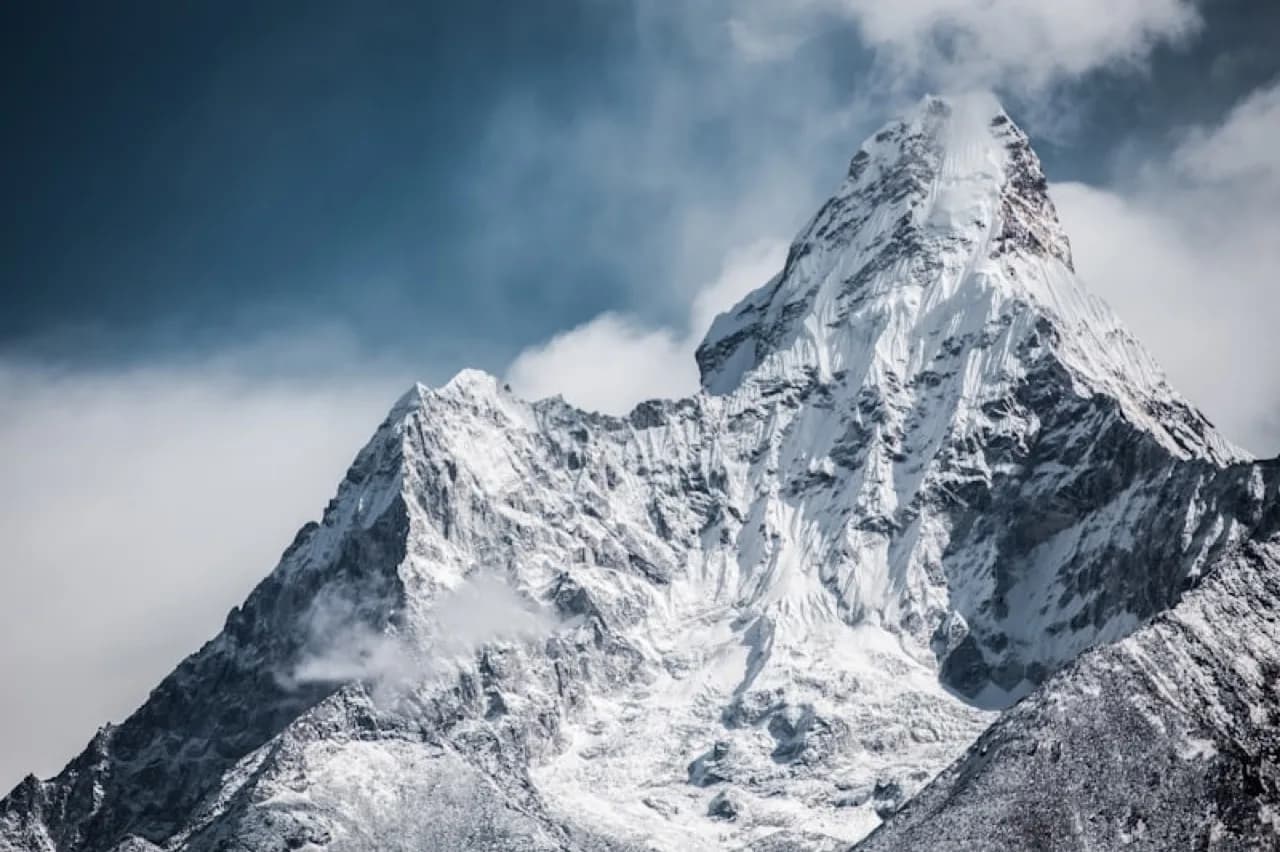
Roopkund (5,029 m), the Skeleton Lake trek in Chamoli district, is one of India's most demanding and mysterious treks. The glacial lake surrounded by 500+ medieval human skeletons is accessible only in two windows — May-June and September. September is superior: post-monsoon clarity reveals jaw-dropping views of Trishul and Nanda Ghunti.
September
Complete Calendar
Month-by-Month Guide
| Month | Status | Weather | Crowds | Price | Score | Verdict |
|---|---|---|---|---|---|---|
| January | Closed | Trek closed · Extreme altitude cold · Impossible | No trekkers | N/A | — | Completely inaccessible. Snow and extreme altitude make this impossible in winter. |
| February | Closed | Trek closed · Deep snow at 5,000 m · Dangerous | No trekkers | N/A | — | Closed. Only for acclimatized mountaineers with full expedition gear. |
| March | Closed | Trek closed · Snow still deep | No trekkers | N/A | — | Closed. High camp still buried in 10+ feet of snow. |
| April | Closed | Trek closed · Snow melting slowly · Trail not passable | No trekkers | N/A | — | Still closed. High-altitude sections remain snowbound through April. |
| May | Open | –5°C–12°C · Snow on upper sections · Rhododendrons | Medium | Standard pricing | ⭐⭐⭐ | Good but challenging — the Roopkund lake may still be frozen, views can be hazy pre-monsoon. Rhododendrons make lower sections beautiful. |
| June | Open | 0°C–14°C · Warmer lower trails · Monsoon approaching | Medium | Standard pricing | ⭐⭐⭐ | Doable in early June. After June 10–15, monsoon clouds reduce summit views and make high ridges dangerous. Complete by June 20. |
| July | Closed | Monsoon · Extremely dangerous at altitude · Closed | No trekkers | N/A | — | Closed. Monsoon at 5,000 m altitude creates extreme risk of hypothermia and lightning at exposed ridges. |
| August | Closed | Monsoon continues · High-altitude risk · Closed | No trekkers | N/A | — | Closed. Do not attempt. Monsoon and altitude are a dangerous combination at Roopkund. |
| September | Open | –5°C–10°C · Post-monsoon perfect · Crystal clear | High — best season rush | Peak pricing | ⭐⭐⭐⭐⭐ | Absolute best month — post-monsoon clarity gives once-in-a-lifetime views of Trishul and Nanda Ghunti. Skeleton lake is snow-free. Book 3 months early. |
| October | Limited | –8°C–6°C · Cold · First new snow at summit | Low | Low pricing | ⭐⭐ | Possible early October but rapidly deteriorating. New snowfall at summit makes high camp risky after October 10. |
| November | Closed | Trek closed · Heavy snowfall · Dangerous | No trekkers | N/A | — | Trek closed. Summit area buried. Do not attempt. |
| December | Closed | Trek closed · Extreme winter conditions | No trekkers | N/A | — | Completely inaccessible in winter. |
Common Questions
Frequently Asked Questions
Roopkund lake contains the remains of 300–500 people, believed to be from around 850 AD. A 2019 Harvard study found the skeletons belong to at least 3 distinct genetic groups — some from South Asia, some from the Eastern Mediterranean. The most accepted theory is that they died in a sudden violent hailstorm. The lake is only accessible when snow melts, revealing the skeletons.
Roopkund is a difficult, high-altitude trek requiring serious preparation. You must be able to run 5 km continuously, do 30 squats, and handle altitude up to 5,029 m. At least 4 weeks of cardio, strength training, and ideally one prior Himalayan trek (4,000+ m) is recommended before attempting Roopkund.
Yes — at 5,029 m, AMS (Acute Mountain Sickness) is a real risk. The trek gains significant altitude quickly. Acclimatization days are built into reputable operators' itineraries. Carry Diamox (consult your doctor), a pulse oximeter, and ensure your operator has emergency protocols. September's clear weather also reduces the risk compared to the unpredictable conditions of May-June.
Planning your trip to Roopkund Trek? Our travel experts know every season personally.
Ask Our Travel Expert