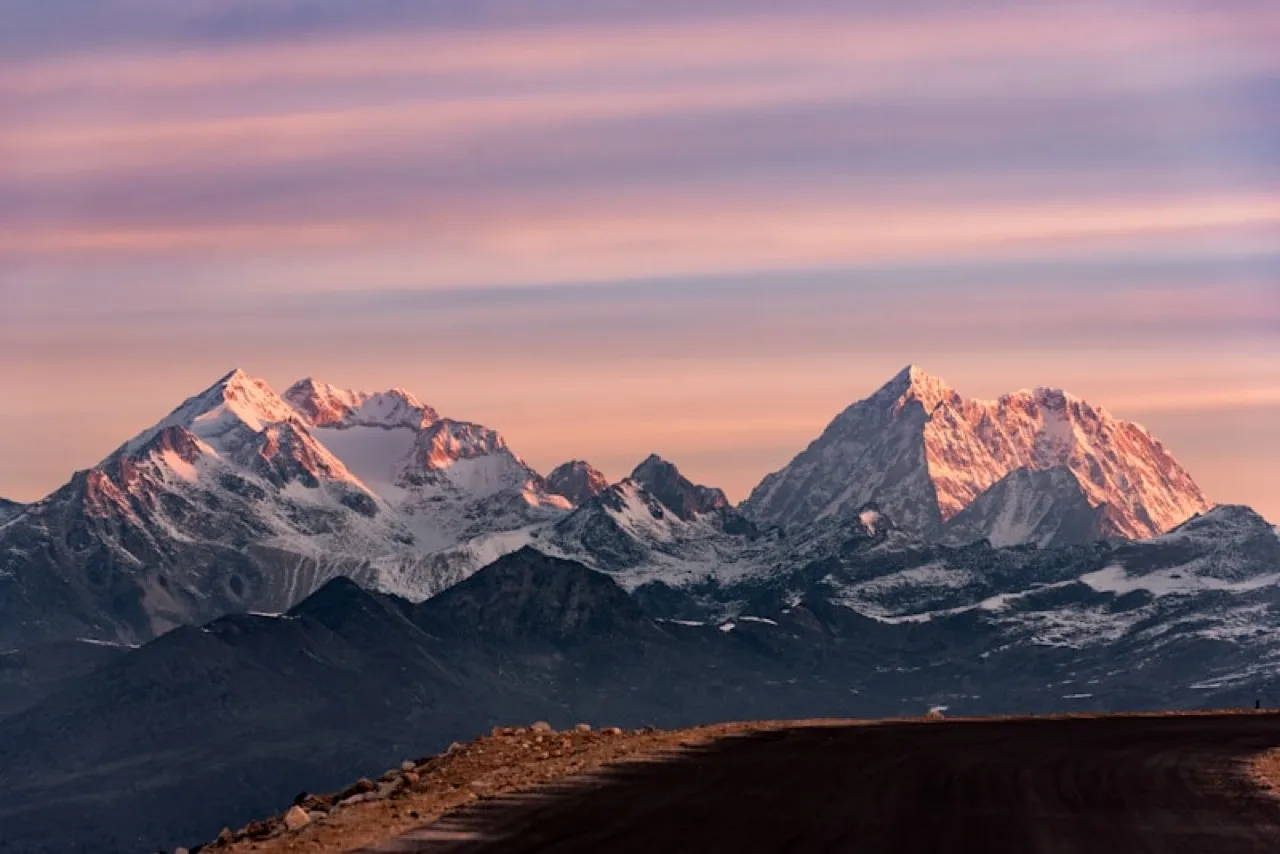
Har Ki Dun (3,566 m) — the Valley of Gods in Uttarkashi district — is one of Uttarakhand's most scenic moderate treks, following the Tons River through dense deodar forests to a high Himalayan valley with views of Swargarohini and Bandarpoonch peaks. Best done in May–June before monsoon, or September–November post-monsoon.
May & October
Complete Calendar
Month-by-Month Guide
| Month | Status | Weather | Crowds | Price | Score | Verdict |
|---|---|---|---|---|---|---|
| January | Closed | Trek closed · Heavy snow · Sub-zero temperatures | No trekkers | N/A | — | Trek inaccessible. Snow covers entire trail. Not recommended. |
| February | Closed | Trek closed · Deep snow · Osla village cut off | No trekkers | N/A | — | Trek closed. Trail buried. Only for experienced winter alpinists with full expedition equipment. |
| March | Closed | Trek mostly closed · Snow melting · Cold | No trekkers | N/A | — | Trek still inaccessible for most. Opening depends on snow melt — sometimes possible late March for experienced trekkers. |
| April | Limited | 5°C–15°C · Snow clearing · Trail opening | Very low | Low pricing | ⭐⭐ | Trail opening. Some snow patches on upper sections. Good for early-season trekkers who don't mind cold nights. |
| May | Open | 8°C–18°C · Clear skies · Rhododendrons · Best views | Medium | Standard pricing | ⭐⭐⭐⭐⭐ | Best month — rhododendron forests in full bloom, clear Swargarohini views, comfortable temperatures, open trail. |
| June | Open | 12°C–22°C · Warm · Pre-monsoon · Some afternoon showers | Medium-High | Standard pricing | ⭐⭐⭐⭐ | Good — warm and pleasant. Afternoon showers possible from mid-June. Complete trek before June 20 for best experience. |
| July | Closed | Monsoon · Very wet · Trail unsafe · Landslides | No trekkers | N/A | — | Trek closed during monsoon. Tons River floods, trails become extremely dangerous. |
| August | Closed | Heavy monsoon · Flooded trails · Unsafe | No trekkers | N/A | — | Trek closed. Do not attempt. Monsoon at peak intensity. |
| September | Limited | 10°C–18°C · Rain easing · Trail clearing | Low | Standard pricing | ⭐⭐⭐ | Trail reopening in second half of September. Post-monsoon green is beautiful but trail can still be slippery early month. |
| October | Open | 5°C–15°C · Clear skies · Autumn colours · Best Swargarohini views | Medium | Standard pricing | ⭐⭐⭐⭐⭐ | Excellent — post-monsoon clarity gives the best Swargarohini and Bandarpoonch views of the year. Autumn colours in deodar forests. |
| November | Open | 0°C–10°C · Cold and clear · First snow on peaks | Low | Low pricing | ⭐⭐⭐⭐ | Beautiful — first snow on surrounding peaks, very few trekkers, crisp air. Need good winter camping gear. |
| December | Closed | Trek closing · Heavy snowfall · Dangerous | No trekkers | N/A | — | Trek closes for winter. Snowfall makes trail impassable. Do not attempt. |
Common Questions
Frequently Asked Questions
Har Ki Dun (Valley of Gods) is mythologically linked to the Mahabharata — it is said the Pandavas passed through this valley on their way to heaven (Swargarohini peak). The valley contains ancient wooden Pandava-era temples in Osla and Har Ki Dun villages. The trek offers rare cultural immersion alongside spectacular mountain scenery.
Har Ki Dun is rated easy-to-moderate. The trail is well-marked, gradual, and mostly follows river valleys through forest. The longest day is the Taluka to Osla stretch (12 km). Good fitness is required but no prior trek experience is mandatory.
Yes — both treks start from Sankri village in Uttarkashi district. A combined 12–14 day itinerary is popular: Har Ki Dun in summer (May–June) and Kedarkantha in winter (December–January), or back-to-back in a single long trip during October–November.
Planning your trip to Har Ki Dun Trek? Our travel experts know every season personally.
Ask Our Travel Expert